
The Short Version
I'm a product designer, mechanical engineer, and lifelong maker with a B.S. in Mechanical Engineering from Lehigh University. I'm based in Phoenix and bilingual in English and Spanish.
I take products from requirements to finished hardware — designing, analyzing, fabricating, installing, testing, and improving them. I'm interested in the full life of a product, not just one step of it.
What I Am Looking For
I'm seeking an engineering role in aerospace, automotive, or manufacturing, preferably in the Phoenix metro area.
I'm most useful where design and physical hardware are close together — where talking with the machinist, reviewing test data, installing a component, and picking up the part are all considered part of engineering.
I want to follow projects, solve real problems, and contribute with both my engineering knowledge and my hands.
Why I Work This Way
I grew up around tools, taking things apart to understand, repair, and modify them. The setting changed — from appliances at home and cars in the driveway to engineering projects and professional work — but the process never did.
Working as an automotive technician taught me what happens when a design leaves the screen and reaches the person installing it. Machining historic engine components taught me what a drawing demands from the person making the part. Those experiences continue to shape how I design.
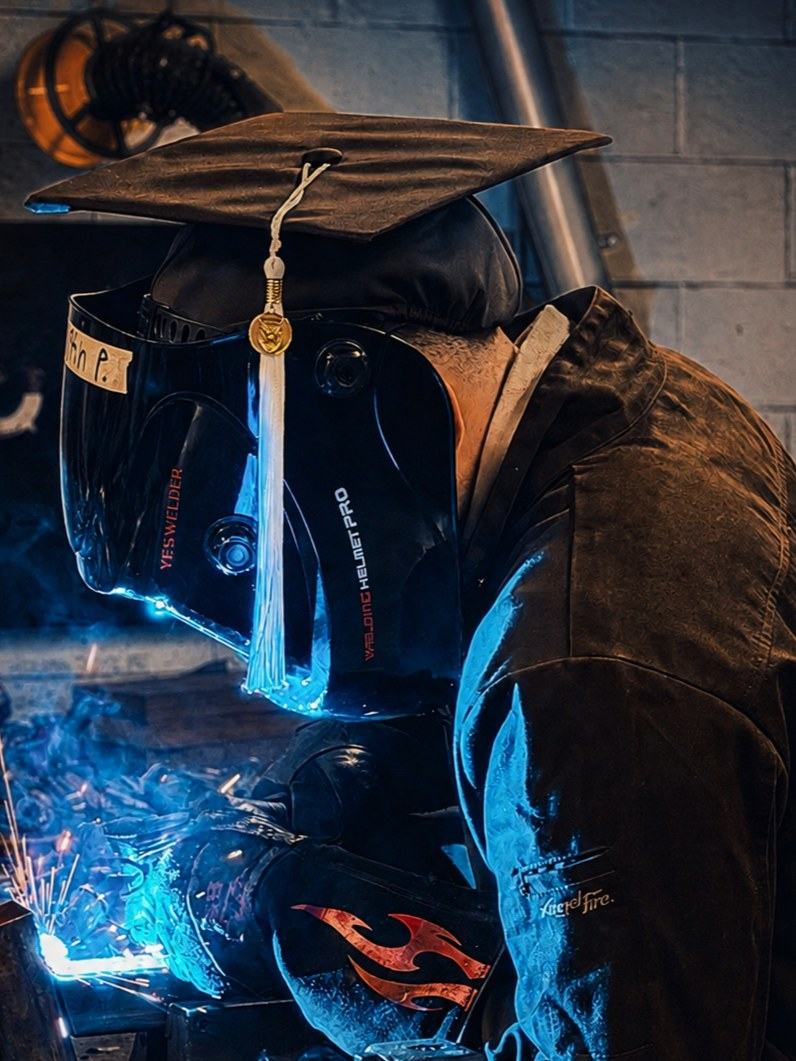
Engineering is an important tool in my belt, but at my core, I'm a maker. Outside work, I continue building through product design, woodworking, and automotive projects — many of which are featured throughout this portfolio.
How I Approach a Project
Most of my projects begin with a constraint: limited funding, unavailable parts, unfamiliar materials, tight deadlines, or imperfect tools. Constraints make the problem interesting because they force me to design around reality.
I start by understanding what the product must accomplish, then develop, analyze, build, and test a solution. Throughout the process, I consider how it will be manufactured, installed, used, and repaired.
I'm also honest about what fails. A design that does not work still has value if it leads to better judgment and a stronger next iteration.