- Sourcing
- →
- Layup
- →
- Rig Build
- →
- Impact Testing
- →
- Decision
- Materials
- 100% cotton denim vs. carbon fiber
- Rig
- 1,060 g hammer, 16 in arm, 90°
- Energy
- ~4.22 J per strike, 10 strikes
- Outcome
- Carbon kept for aero; denim worth further testing
Why Denim
Custom body panels are one of the most expensive things to make in small numbers. Carbon fiber is the default answer and it is excellent, but the material cost puts it out of reach for a one-off panel.
I did not test fiberglass. Partly it was not accessible to me, but mostly it was not the question. Carbon and fiberglass have been compared to death already — that data exists. And if the entire premise is cost, then testing the middle of the range is a waste of a test. Go to the cheapest thing that might work and find out whether it does. 100% cotton denim is cheap, easy to source, renewable, and recyclable.
There was precedent worth taking seriously, and precedent worth being skeptical of. Porsche runs natural-fibre body panels on the 718 Cayman GT4 Clubsport — but with processes they have not published. Several Formula SAE teams have tried hemp panels and aero components, and the consistent complaint was that the panels came out too flimsy. Nobody had usable data on denim specifically, so I went and got some.
The Test Rig
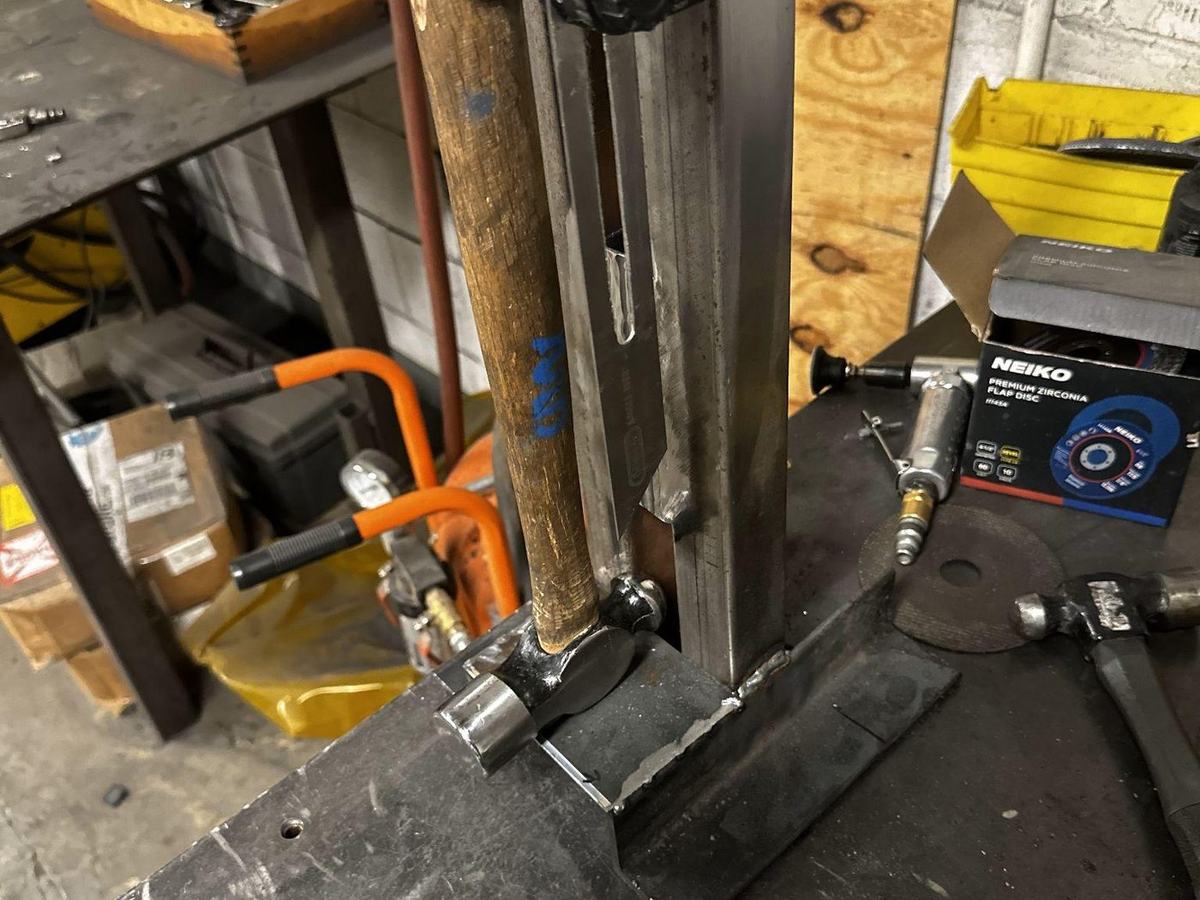
The Materials Science department's equipment was set up for thick bar-shaped specimens and formal standards. My samples were thin panels, and going through the department would have cost weeks. So I built the apparatus instead: a welded steel frame with a pivot-mounted hammer arm and a central opening to clamp the panel.
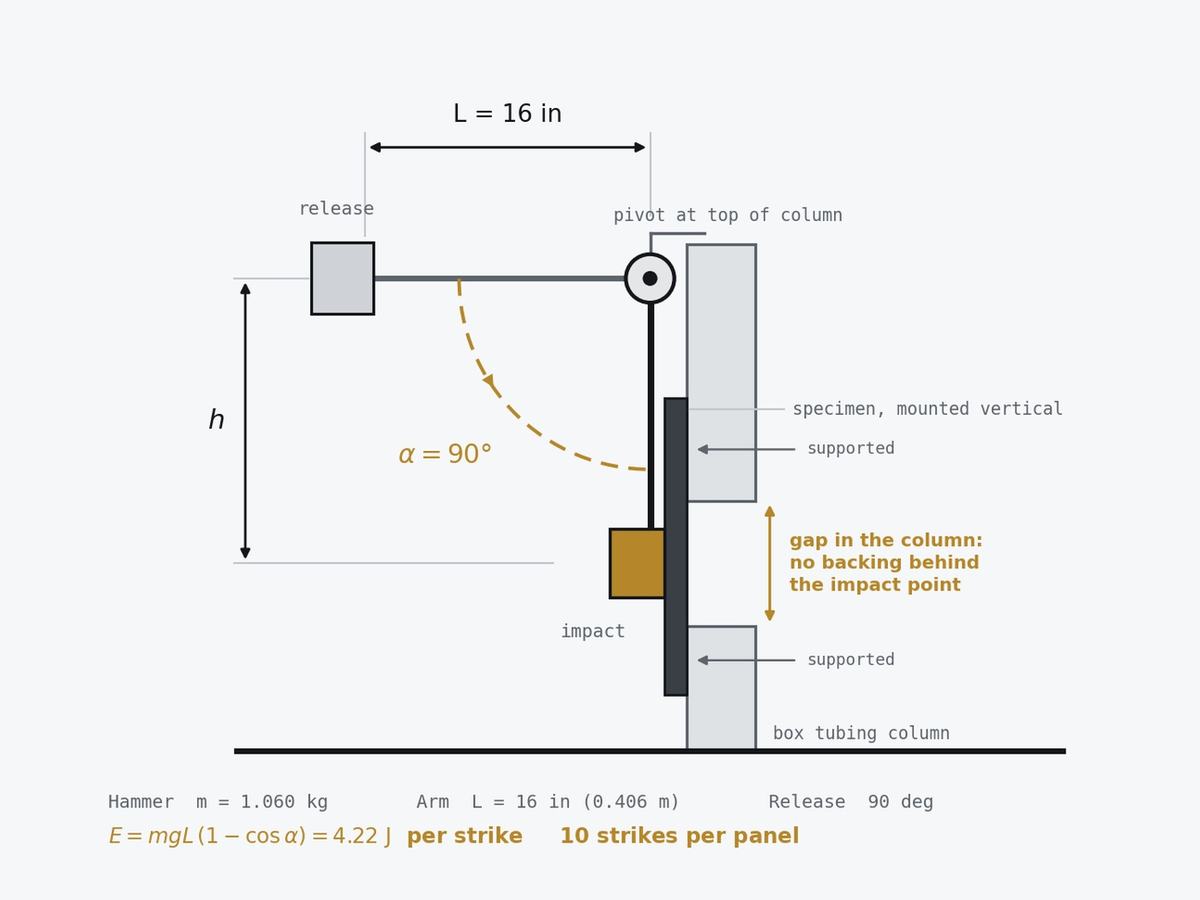
The method came from the Charpy impact test, adapted for panels. A 1,060 g hammer on a 16-inch arm, released from 90°, delivering roughly 4.22 J per strike — energy calculated straight from potential energy at the release height. Each panel took ten consecutive strikes, with damage recorded after every one, and each hit landed on clean material so previous damage never influenced the next result.
The hammer pivots at the top of a vertical box tubing column and the panel mounts flat against that column. There is a gap cut in the tubing where the hammer lands, so the specimen is supported only at its ends and unbacked at the point of impact. That matters: a panel with steel directly behind it just transmits the blow, and what I needed to see was how each material handled the strike on its own.
The original plan was to vary the drop angle to sweep across energy levels. Early trials showed the low angles simply did not do anything — no measurable damage. So I changed the test: fix the angle at 90° and use repeated identical impacts to look at how each material handled sustained loading instead. That answered a more useful question anyway, since a front wing takes cone strike after cone strike, not one calibrated hit.
Panels Tested
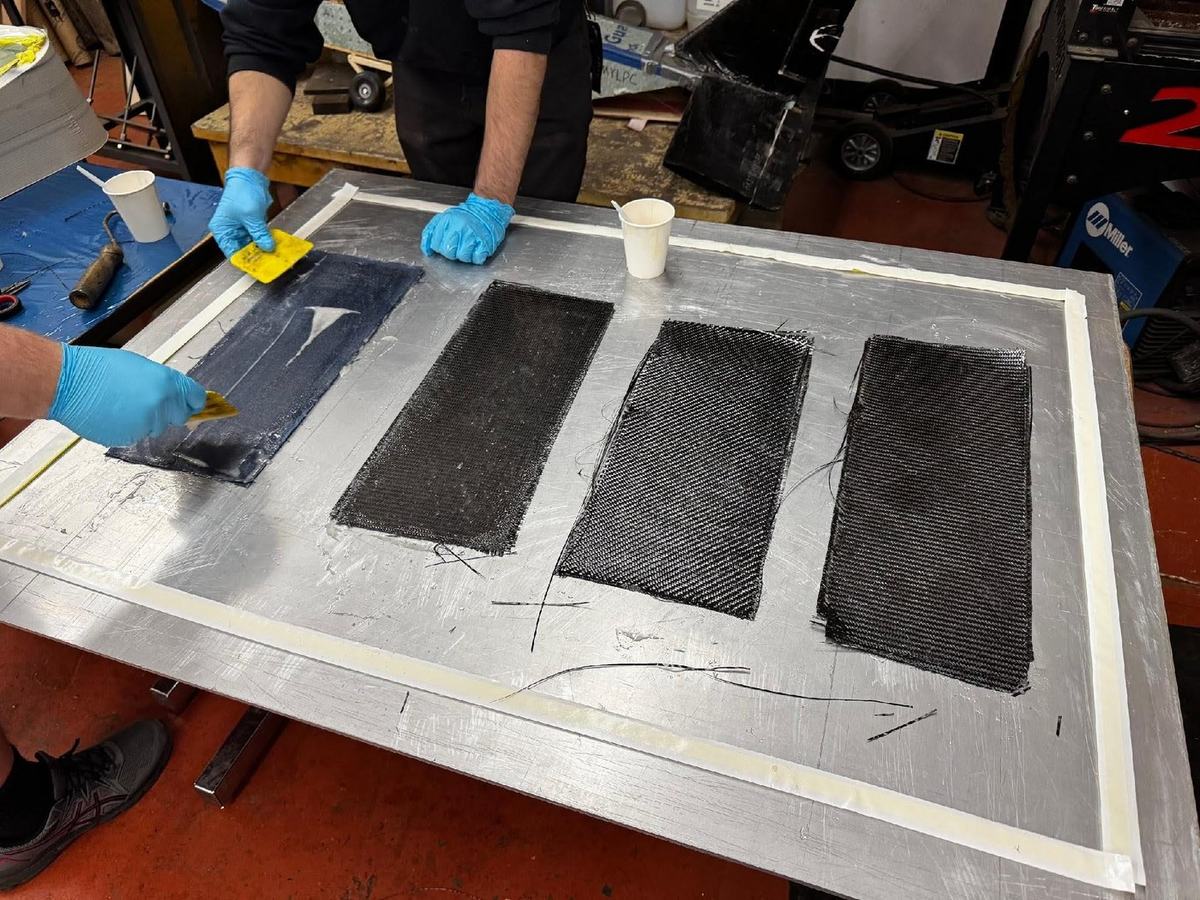
| Panel | Plies | Orientation |
|---|---|---|
| Denim, 100% cotton | 3 | Uniform |
| Carbon fiber | 4 | 0°/90° alternating |
| Carbon fiber | 3 | 90° / 45° / 90° |
| Carbon fiber | 3 | 45° / 90° / 45° |
Ply count was held equal between denim and carbon so the comparison was fair on layers. Epoxy quantity was not controlled — and that turned out to matter.
What Happened in the Layup
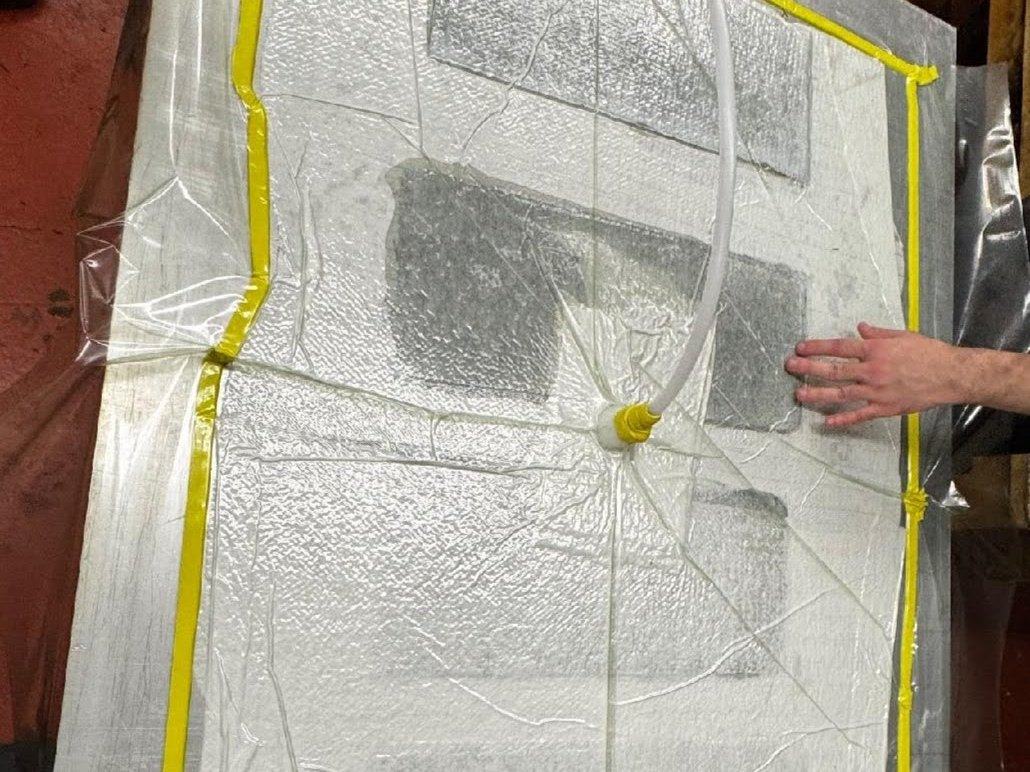
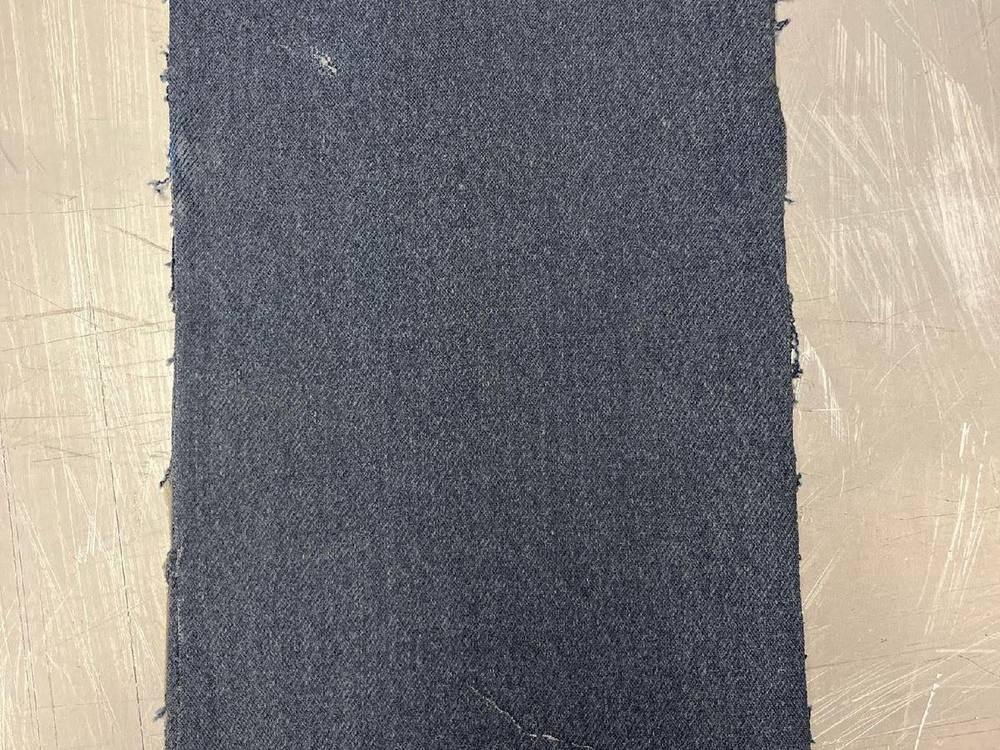
Denim drinks resin. Applying epoxy to it, it never felt like there was enough to bond the plies together, so more went in. The open cotton weave absorbed far more than the carbon did, and the result was a panel that was thick, heavy, and brittle — an already heavy material made heavier, with the epoxy rather than the fibre carrying the structure.
But it did one thing very well. The denim panel held its shape perfectly and came out rigid. That is not a small result, because shape retention is exactly what the hemp panels other teams tried had failed at. Whatever else was wrong with it, the flimsiness problem was not the problem here.
Impact Results
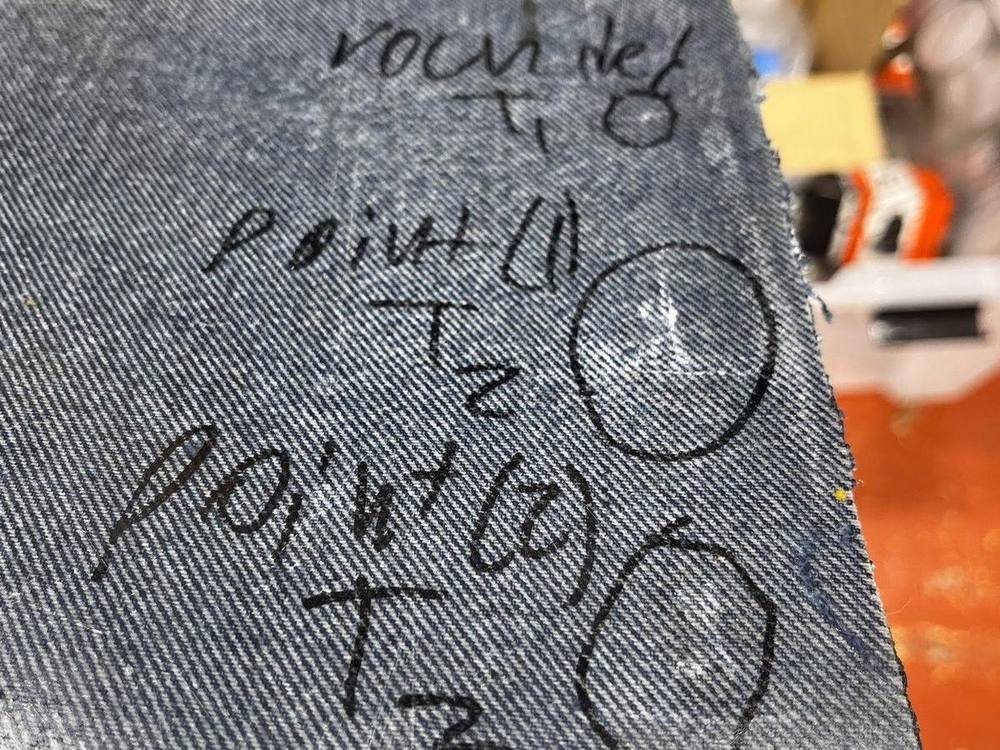
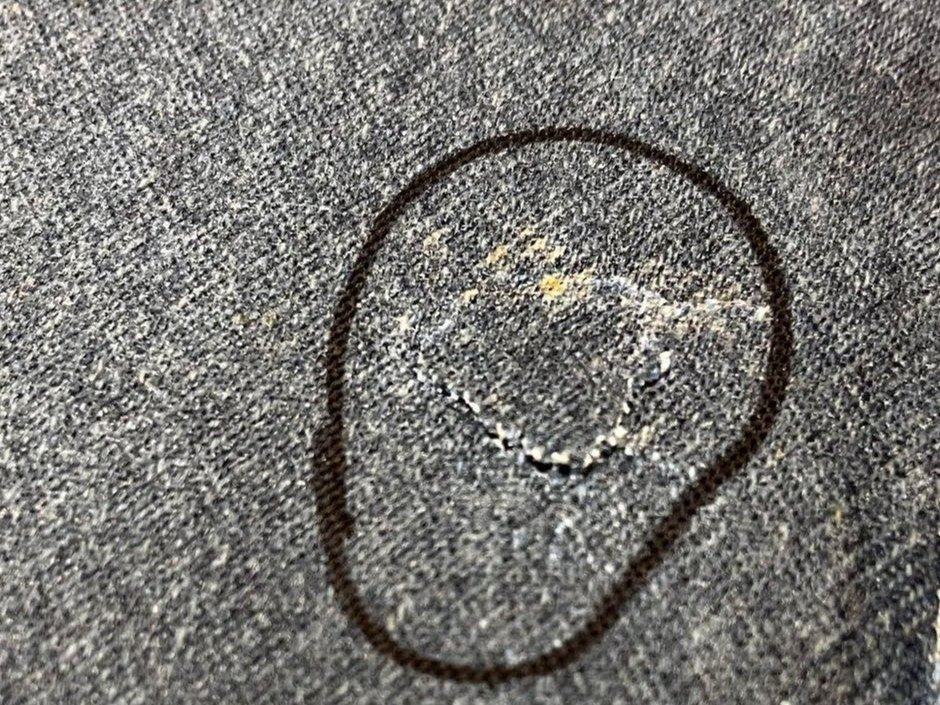
Under impact, the brittleness decided it. The first strike left a visible dent in the resin surface. By the tenth, the hammer had punched fully through — the only panel in the study to fracture completely.
All three carbon layups survived ten strikes intact. The 4-ply 0°/90° and the 3-ply 90°/45°/90° showed minor surface cracking. The best result was the 3-ply 45°/90°/45°, which came through with light scuffing and no visible cracking, and was also the lightest of the three. That layup went into the wing skins on the capstone car.
What It Was Actually For
The study started as a search for a cheaper skin material for the Formula SAE aero package, and for that application the answer is clearly no. A front wing takes cone strike after cone strike and denim will not survive that.
But the application I actually wanted it for is different: sacrificial body panels for off-road racing. Those panels do not need to be light — off-road cars run large-displacement engines and the weight budget is generous. They need to hold their shape, take some abuse, and be cheap enough to replace without caring. Denim held its shape and it is cheap. The failure mode was brittleness, and brittleness is a resin-content and lay-up problem, not necessarily a fibre problem.
So as a first test, this did its job. It found the failure and pointed at the variable that caused it.
Next Tests
- Reduce ply count. Three layers of a fabric that thick may simply be too much material.
- Measure the epoxy. The critical unknown is whether denim actually needs full saturation to be structurally sound, or whether letting it stay under-wetted gives a lighter, less brittle panel. That question was created by not controlling the variable the first time.
- Try polyester-blend denim. It strays from a pure natural fibre, but it keeps the recycling path, and the added flexibility could offset the brittleness the epoxy introduces.
I intend to keep running these outside the capstone. The material has not been characterized properly and I want to know what it can actually do.