Machining & CNC
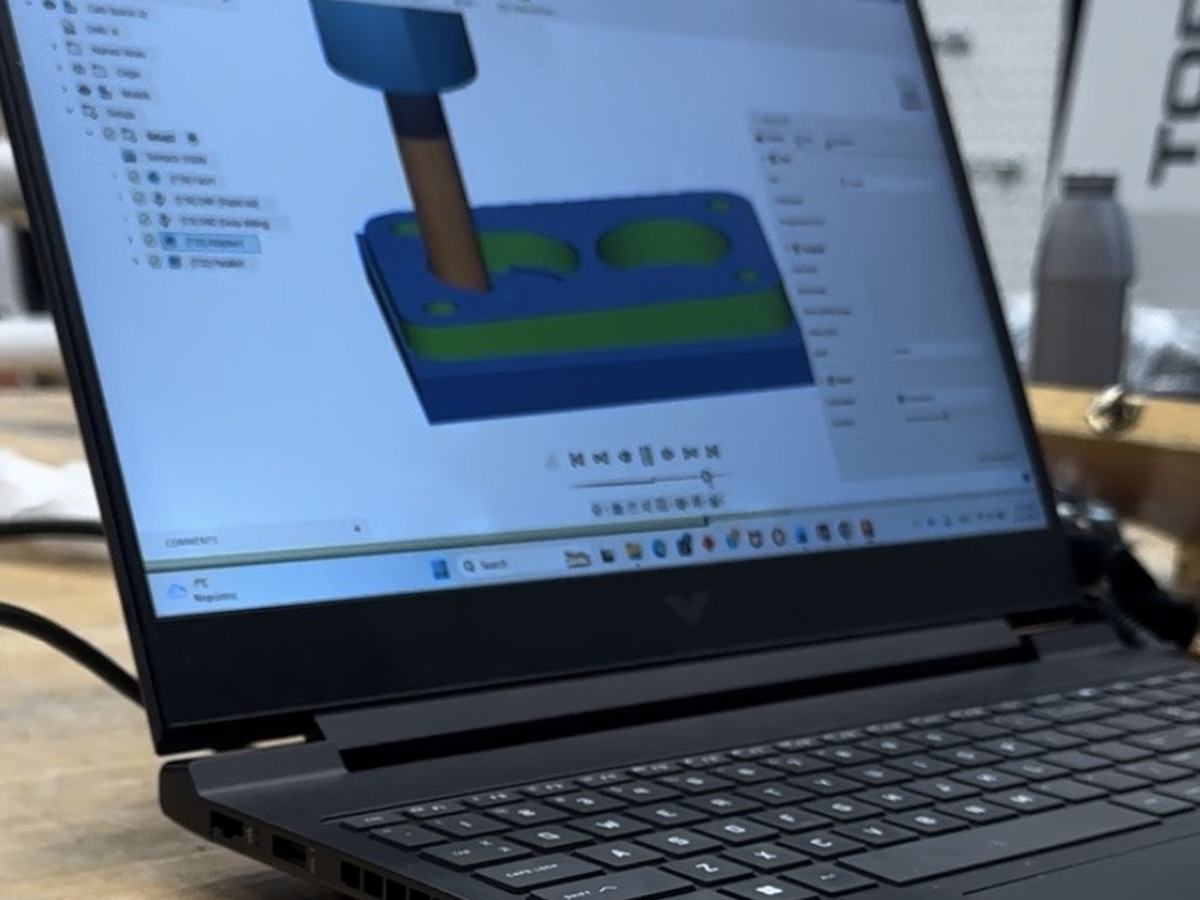
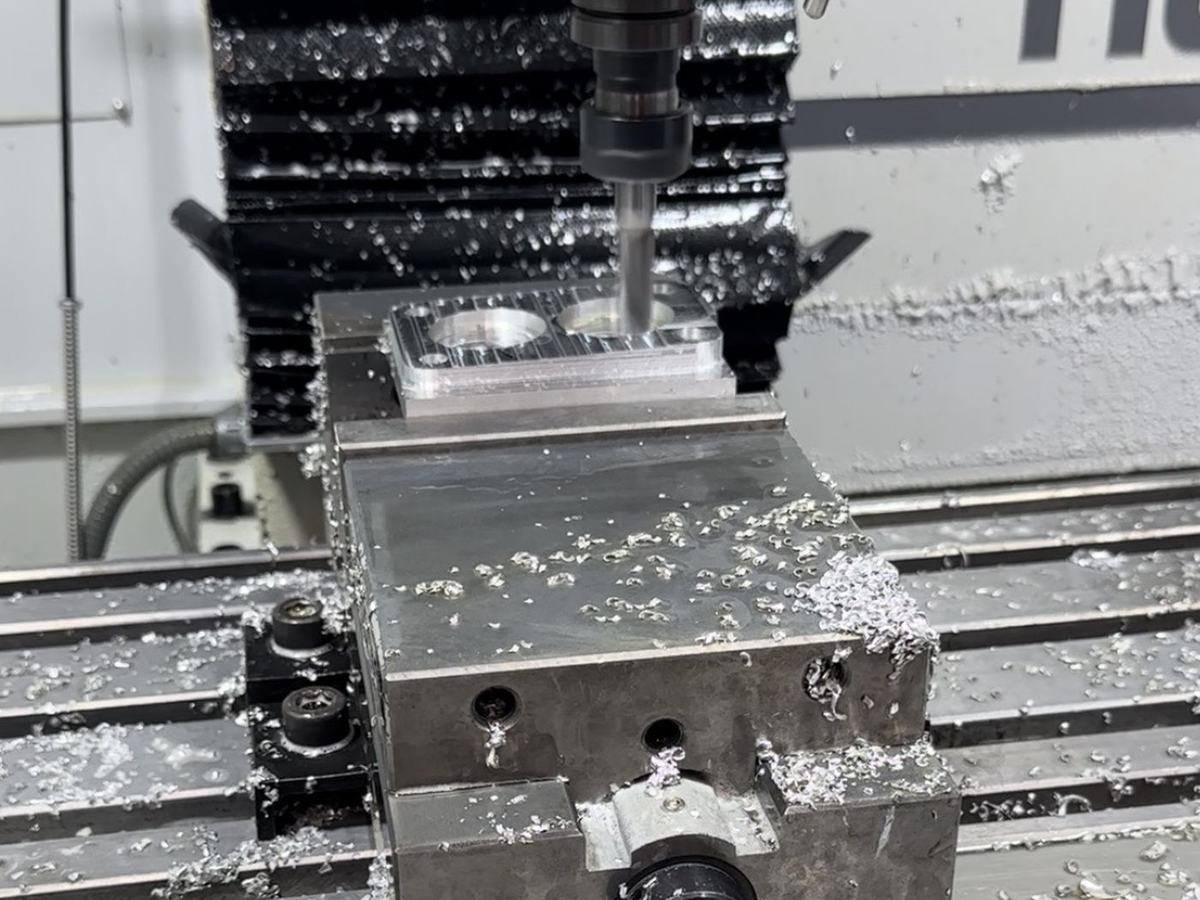
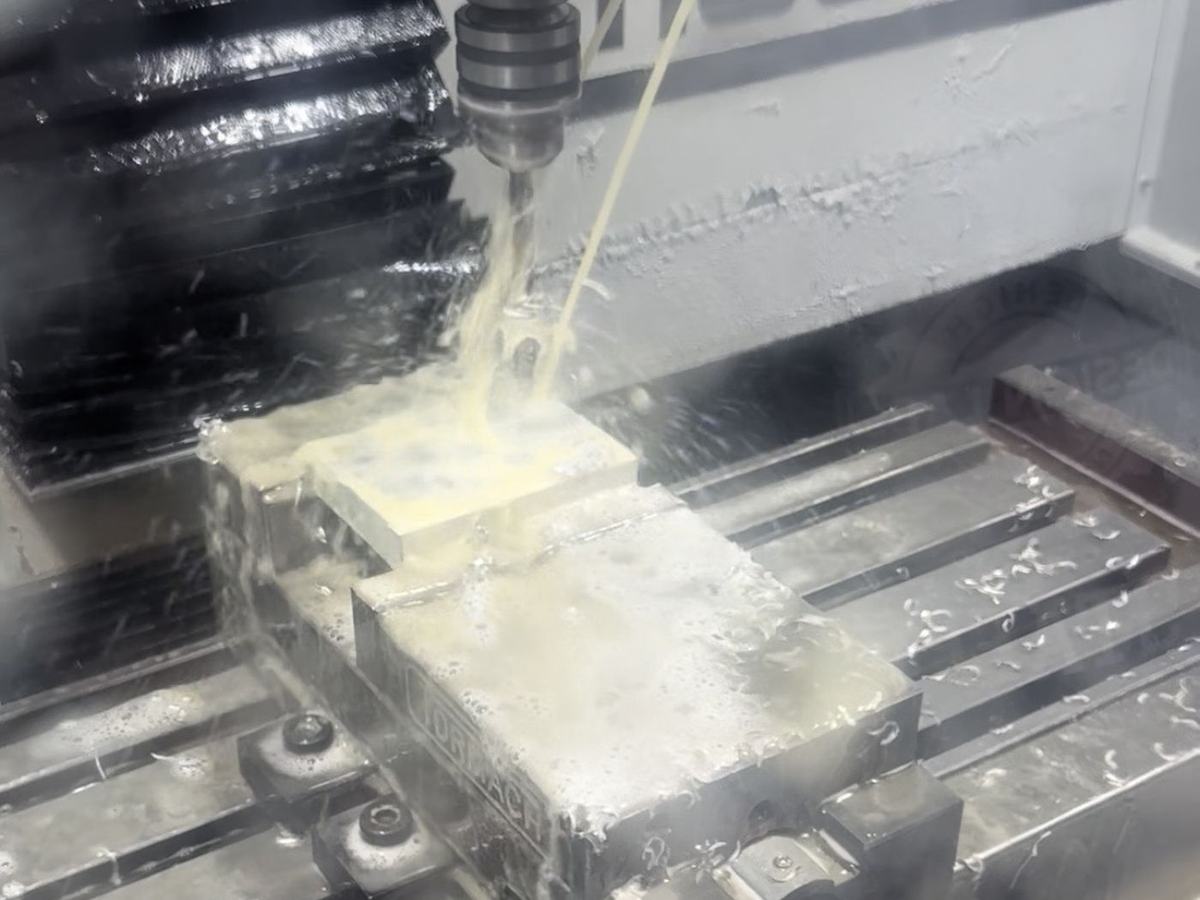
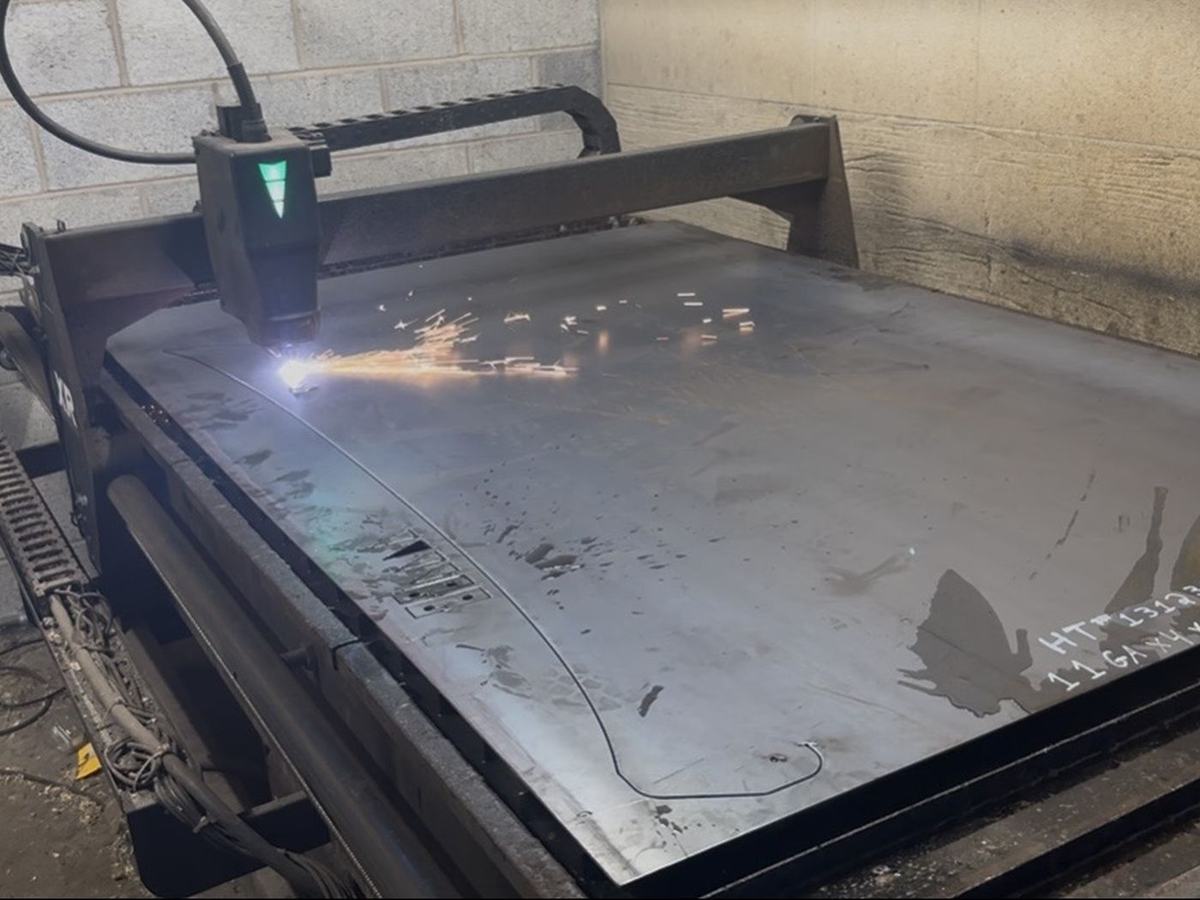
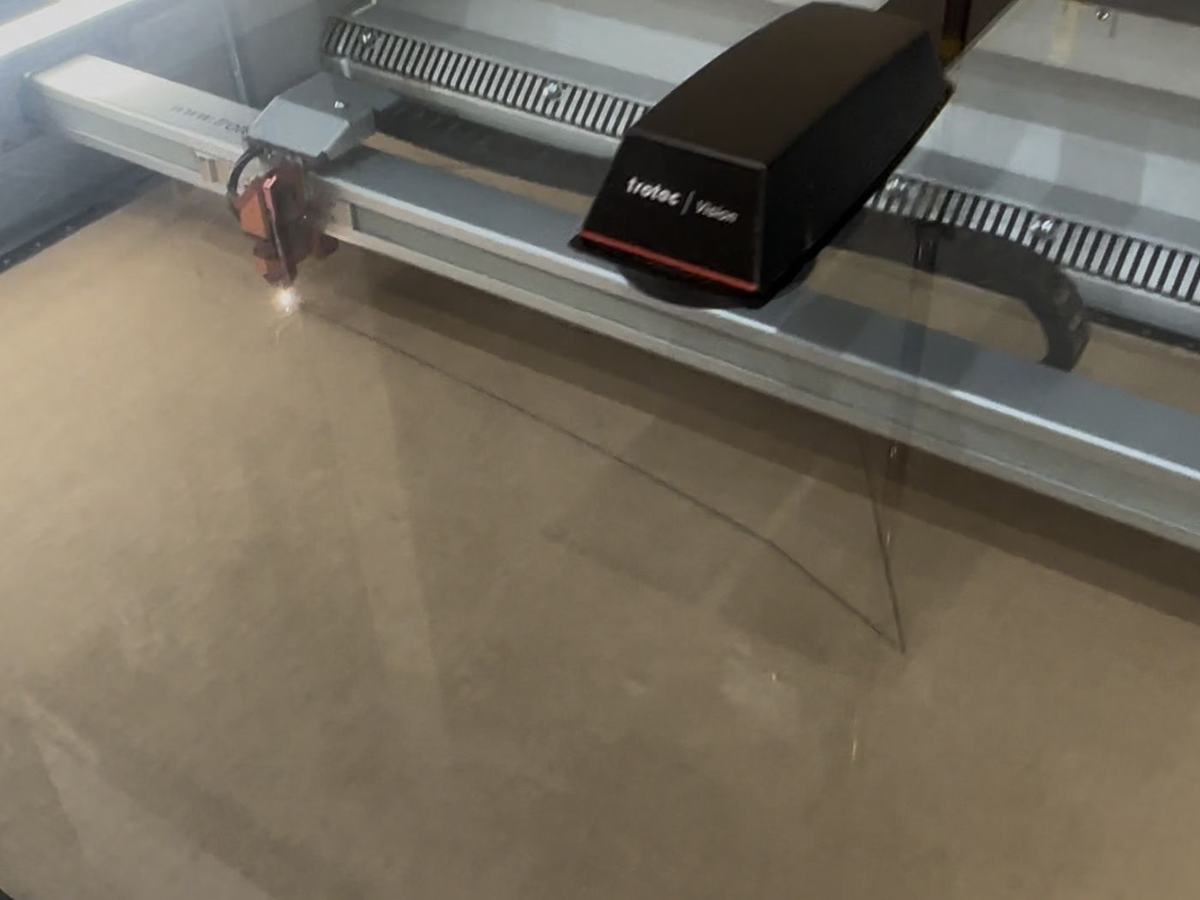
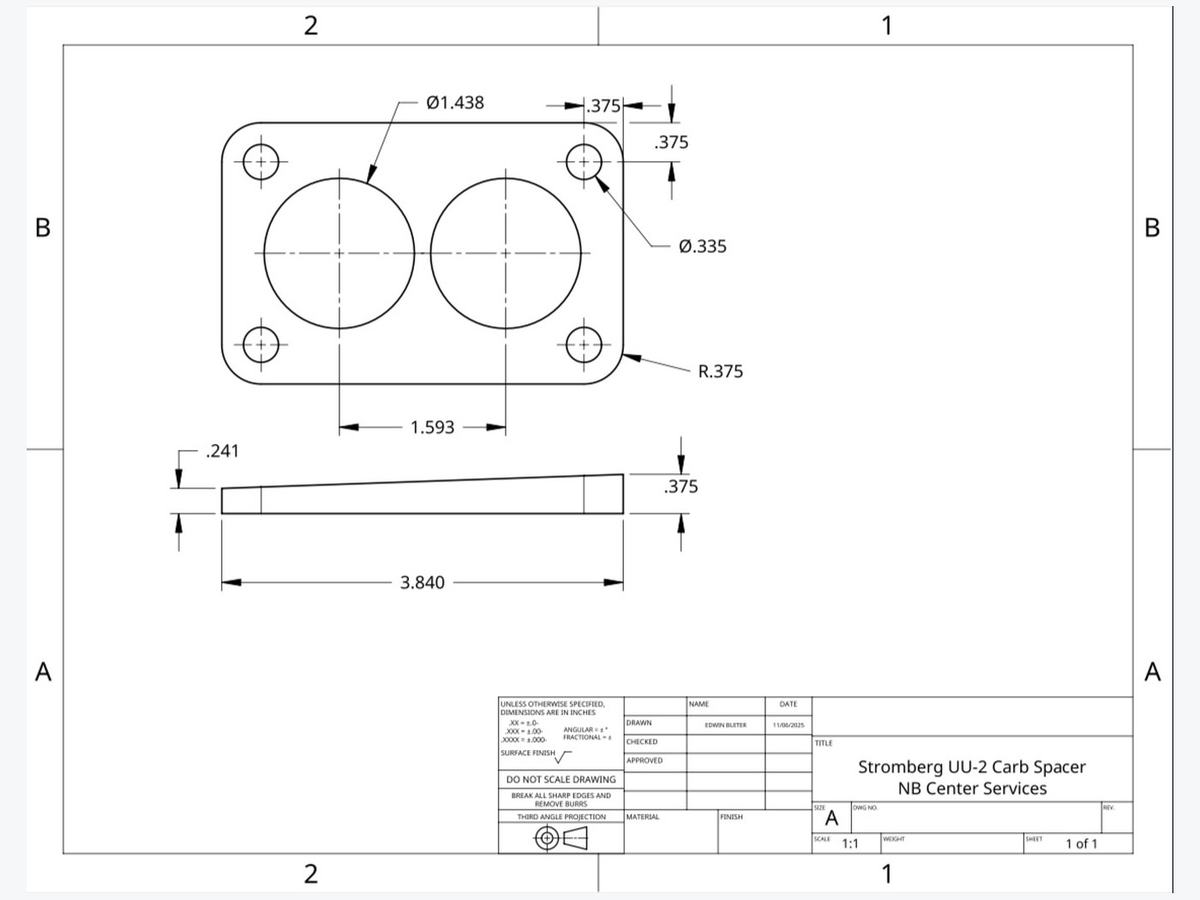
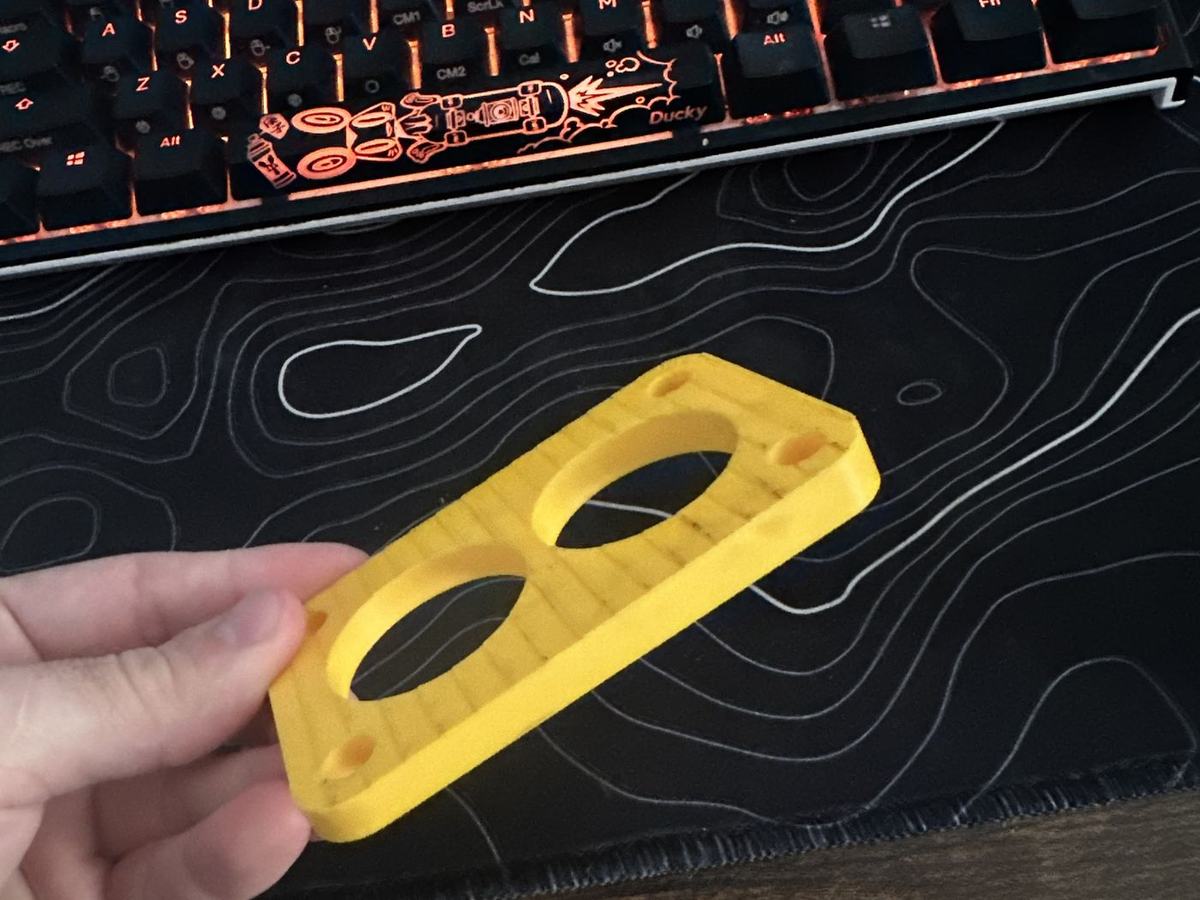
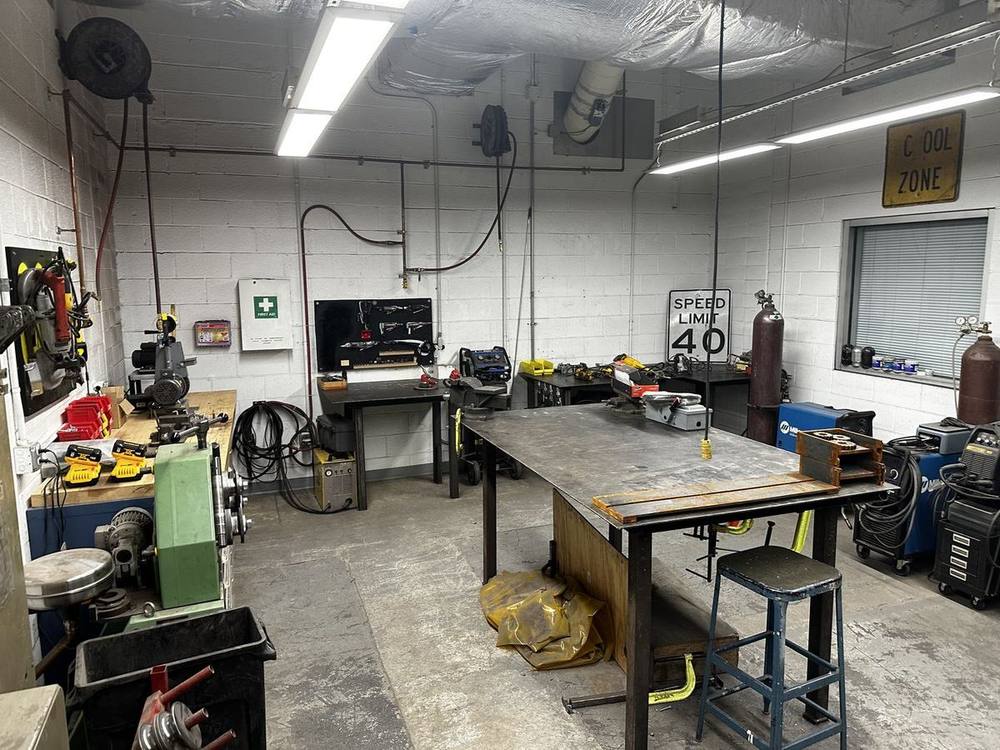
Programming and running parts across CNC milling, plasma, and laser. Material and process were chosen per job: aluminum and steel where the part carried load, acrylic where it had to be seen through, sheet where speed mattered more than tolerance.
Metalwork & Design Objects
Commissioned pieces where the requirement was as much visual as structural. These came mostly through the AAD department, where the customer specified an intent rather than a dimension and I worked backward to something buildable.
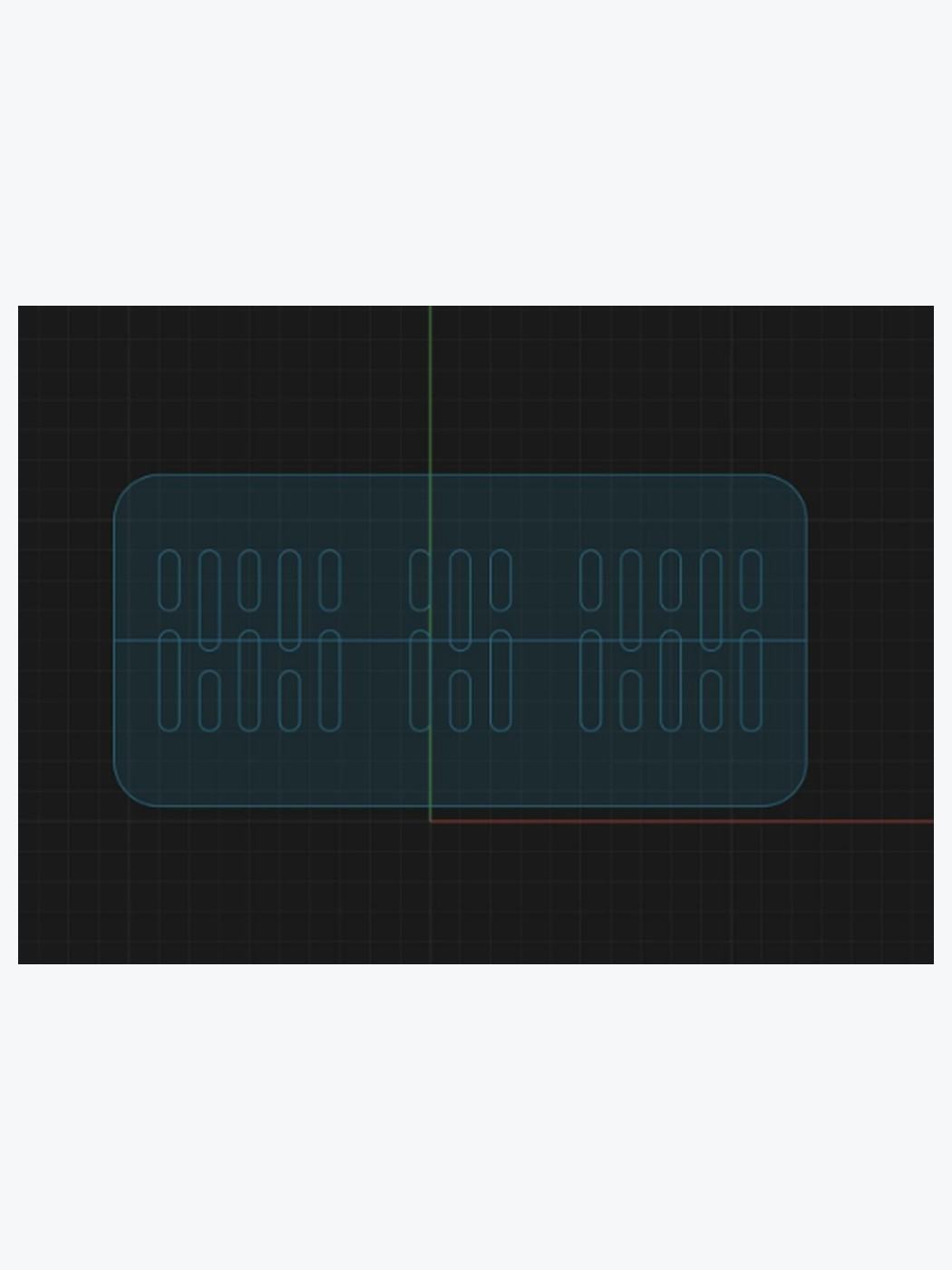
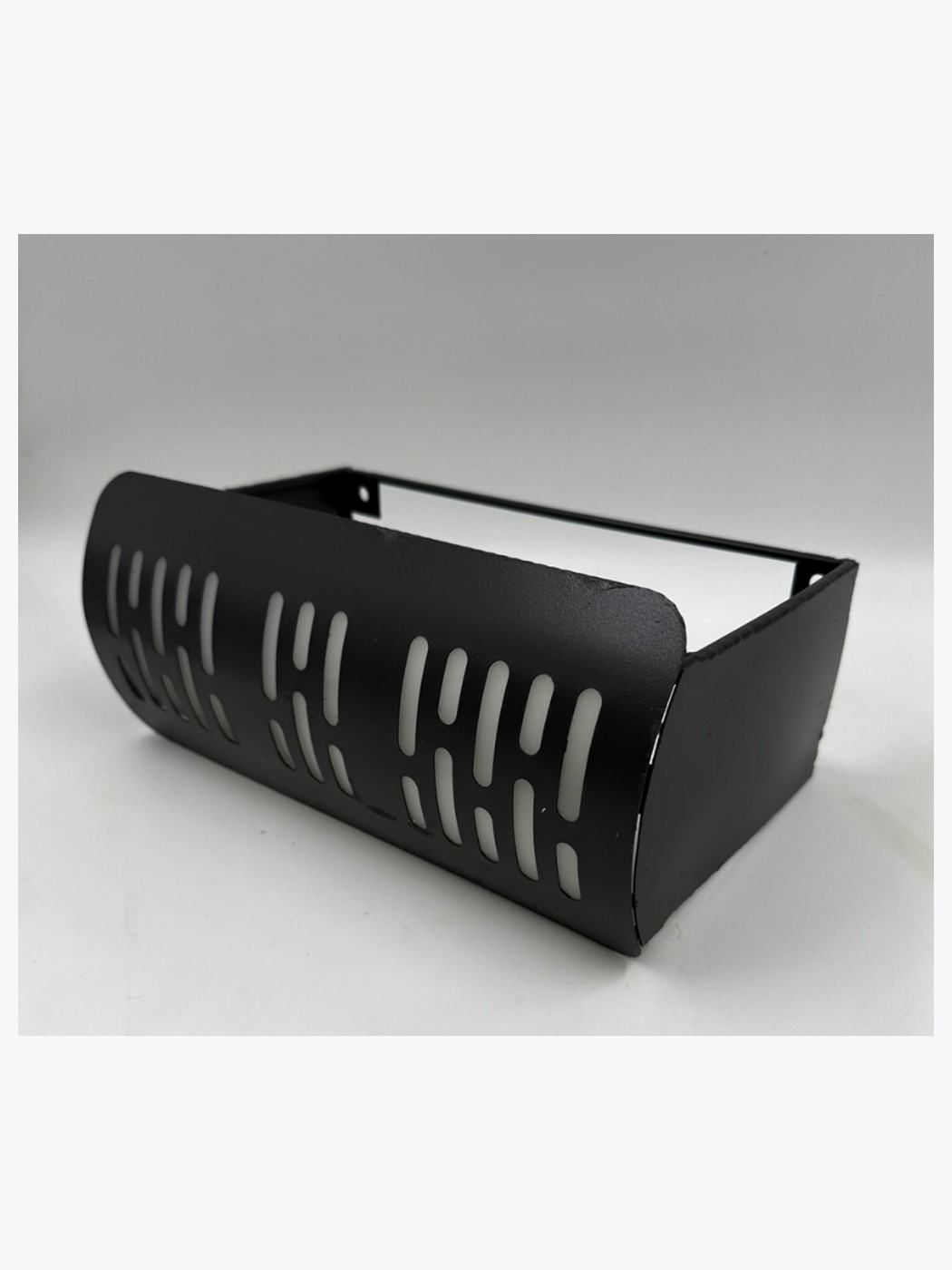
The lamp started in CAD and came out of four different processes. The perforated fascia was waterjet cut from a file I generated off the model, and it holds onto the body magnetically rather than by fasteners, so it lifts straight off. The body itself is fully TIG welded steel. The diffuser is acrylic, laser cut to size and then clouded with heat to scatter the light instead of leaving the bulb visible through it.
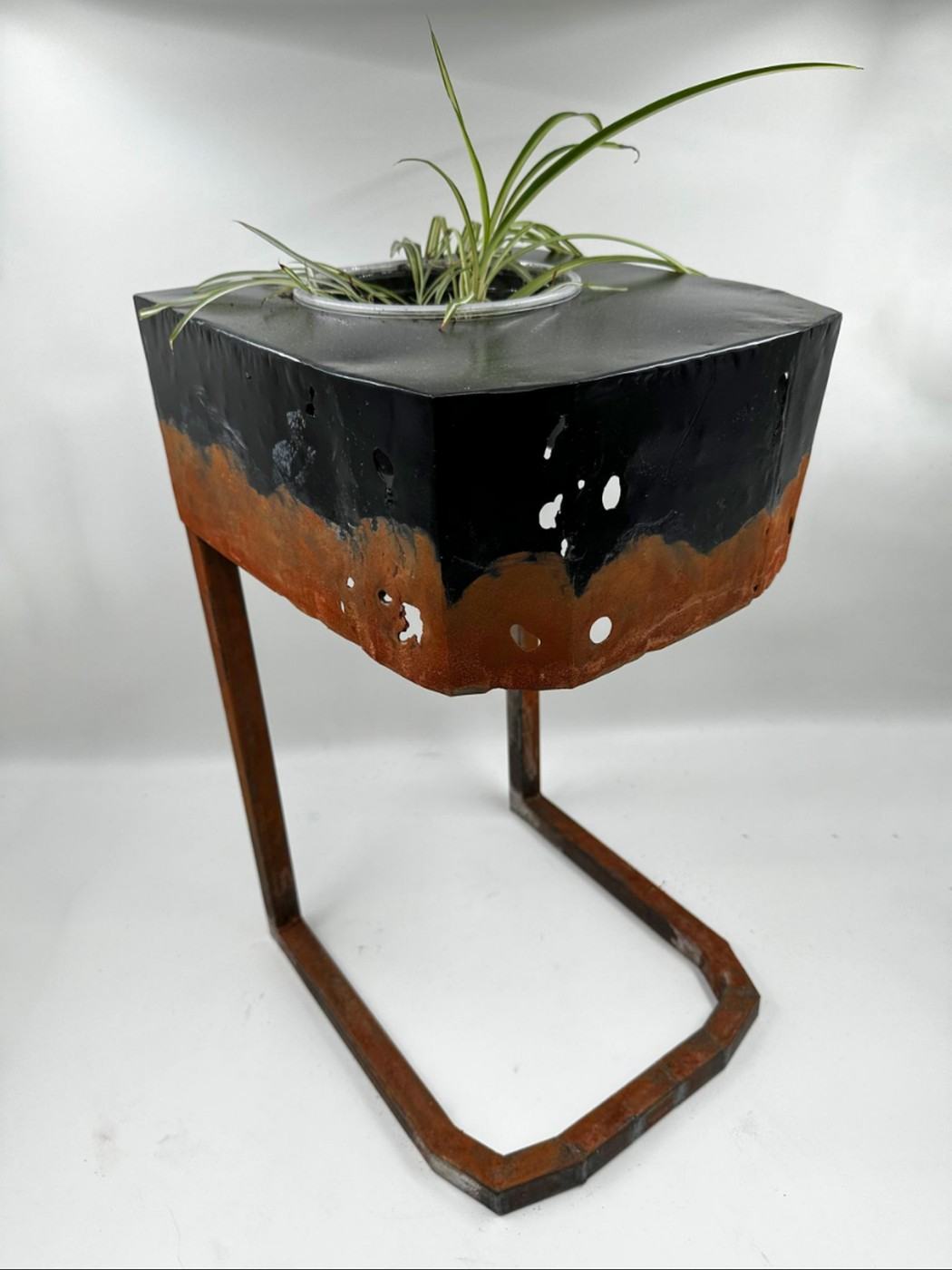
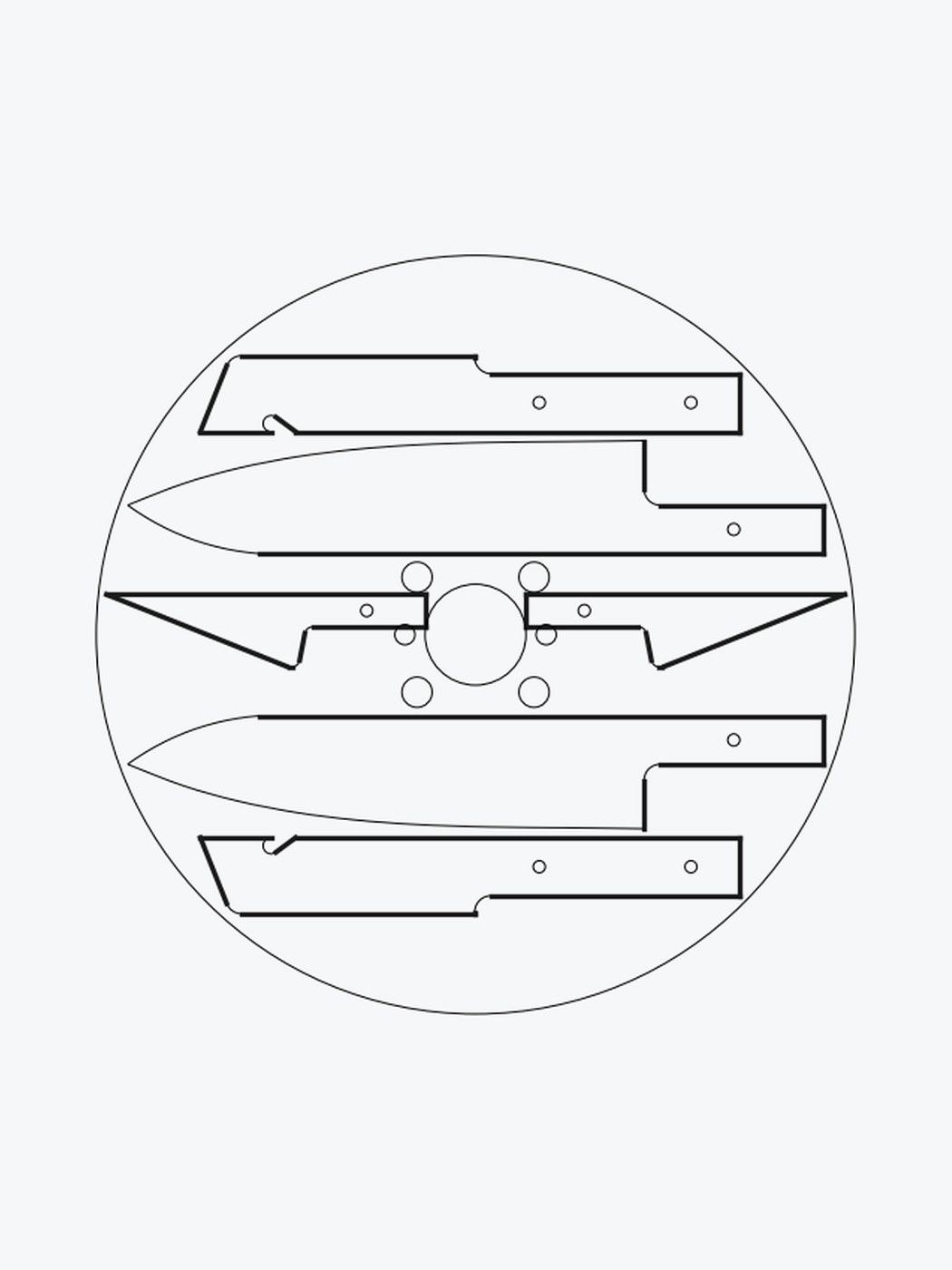
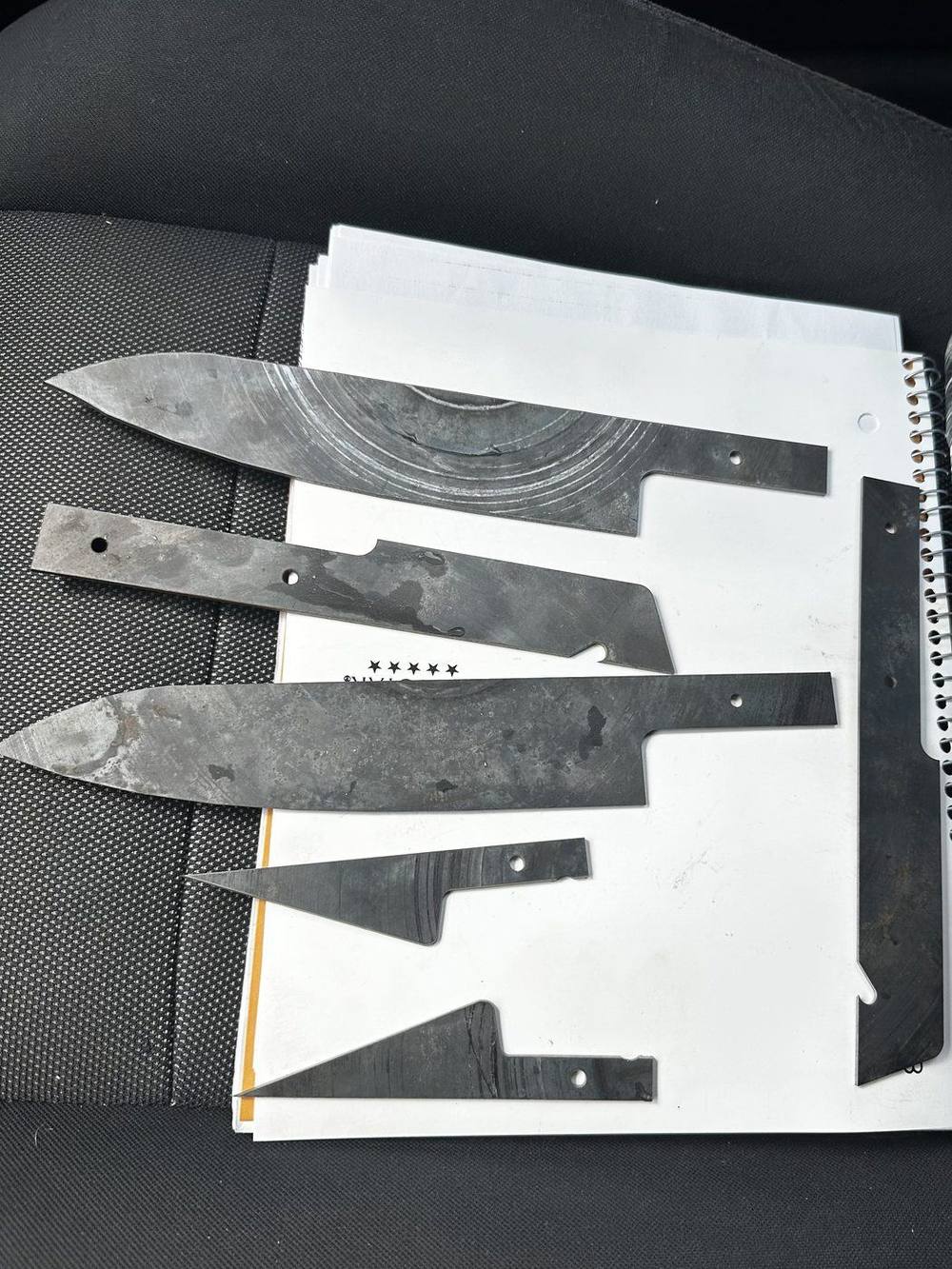
The side table is a cantilevered steel frame with an integrated planter. The finish is the point: black paint eaten back to a deliberate rust patina, with the shell pierced through so it reads like a rotted-out car body panel. The blade blanks were waterjet cut from a hardened cobalt steel metal-cutting saw blade that had broken. The material was already the right alloy for an edge, so instead of scrapping it I nested five knife profiles inside the disc — two chef blades, two utility, and a paring knife — and cut the set out of what was left.
Woodworking
Furniture and smaller commissioned pieces. Process was matched to purpose — hand-tooled where the piece was a gift, CNC where it was a production run, mixed where a build needed both.
Live-edge river table
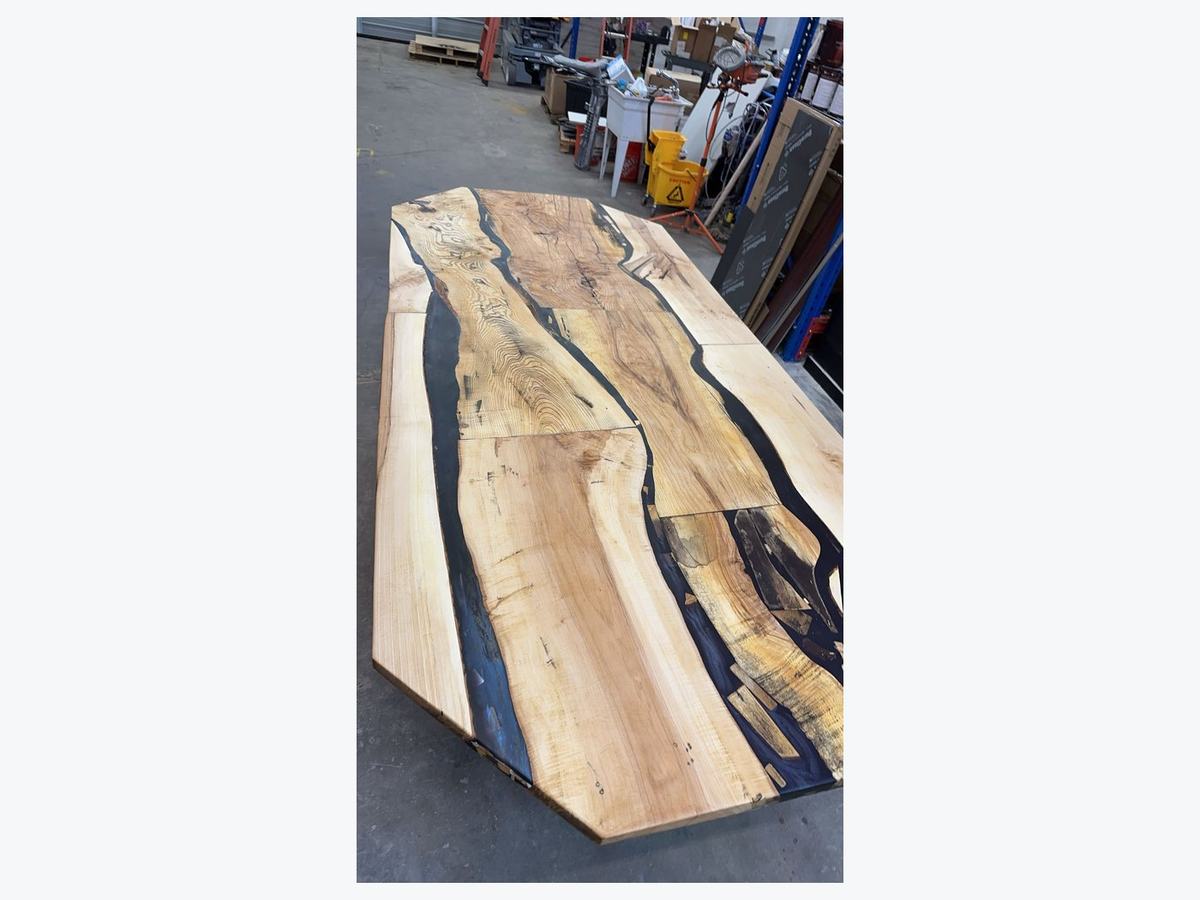
A live-edge slab with a poured epoxy river running the length of it, the natural edges left intact on both sides.
Tensegrity side table
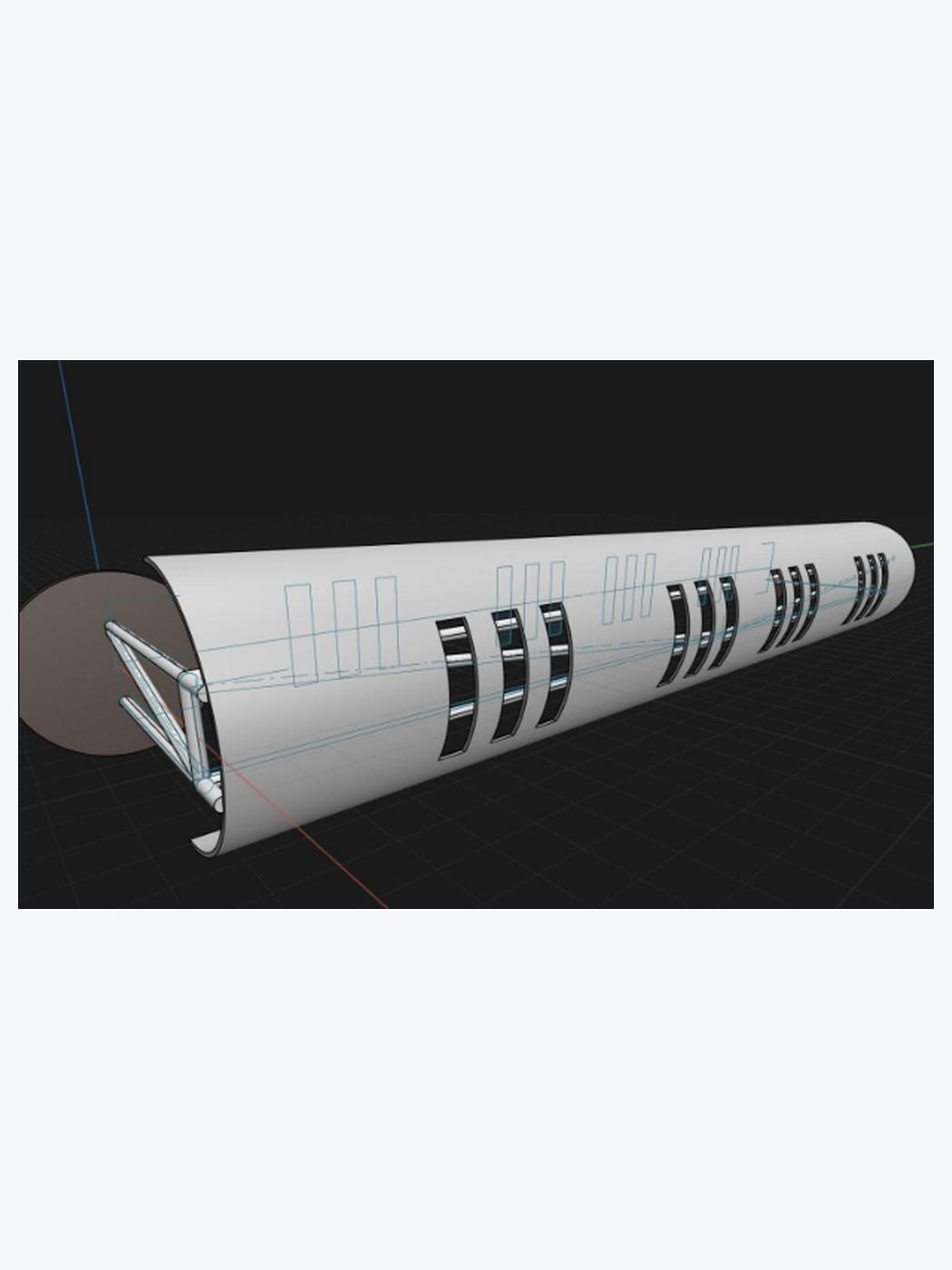
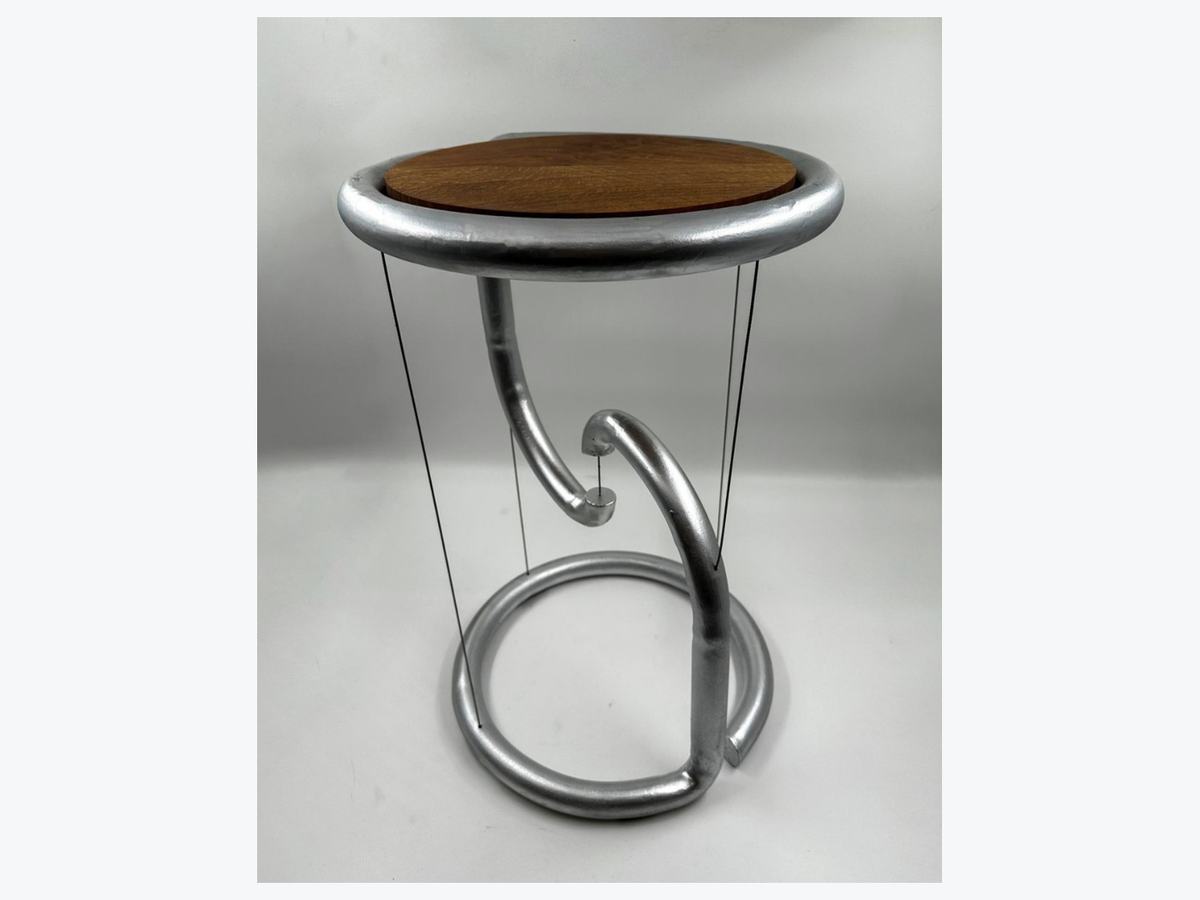
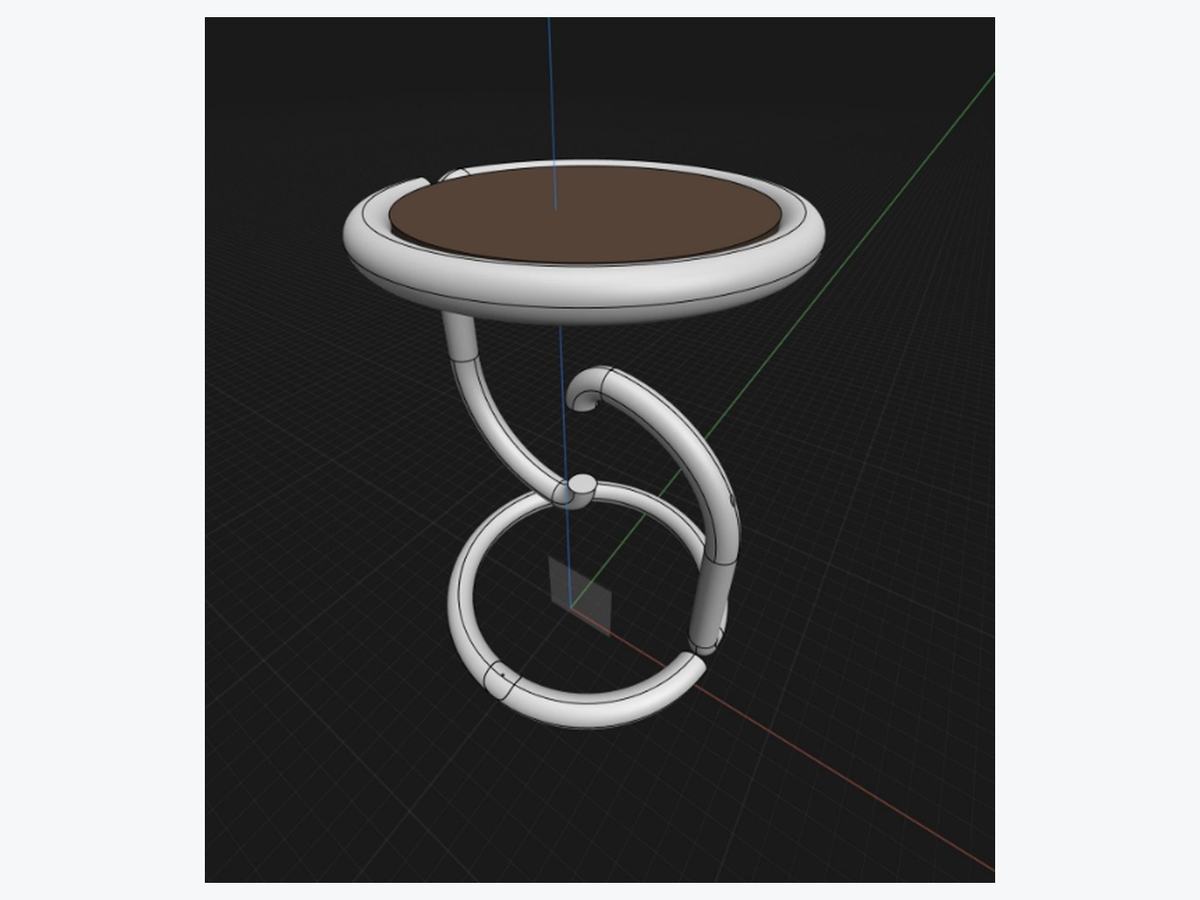
The odd one out: the oak top does not rest on the base at all. It is held in tension by cables, so the structure carries load through a path that looks impossible until you find the wires. Modeled first, then built.
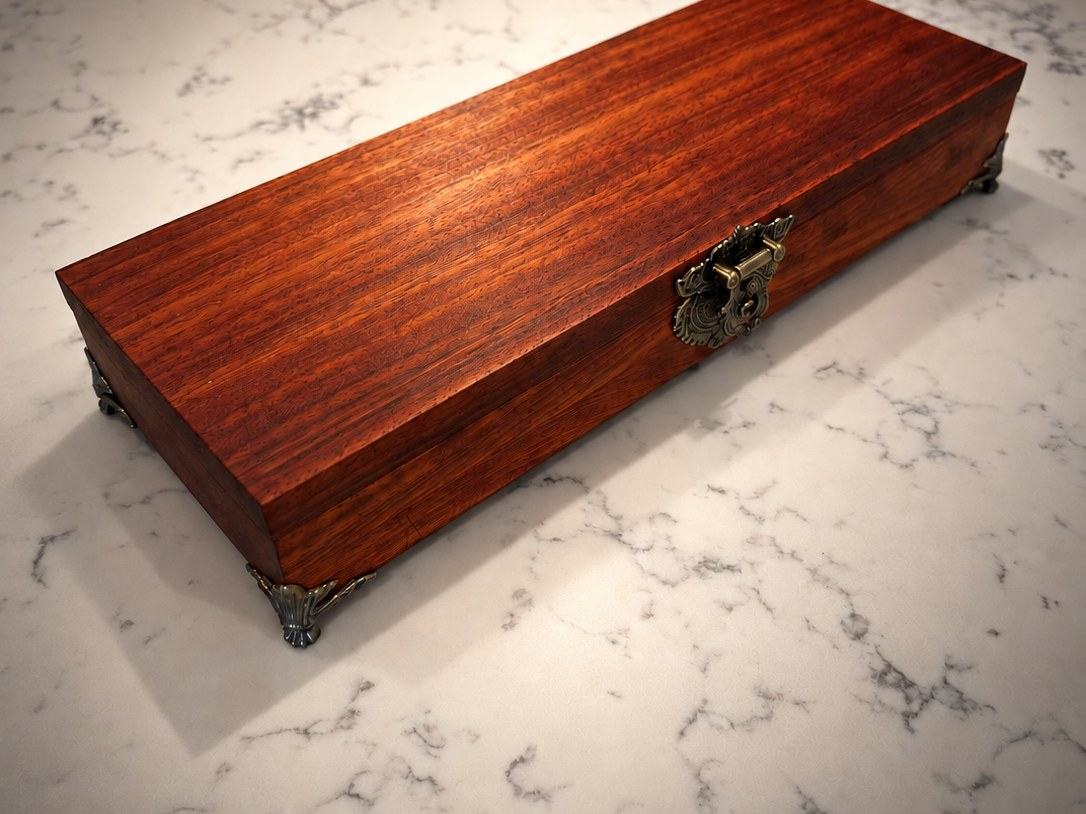
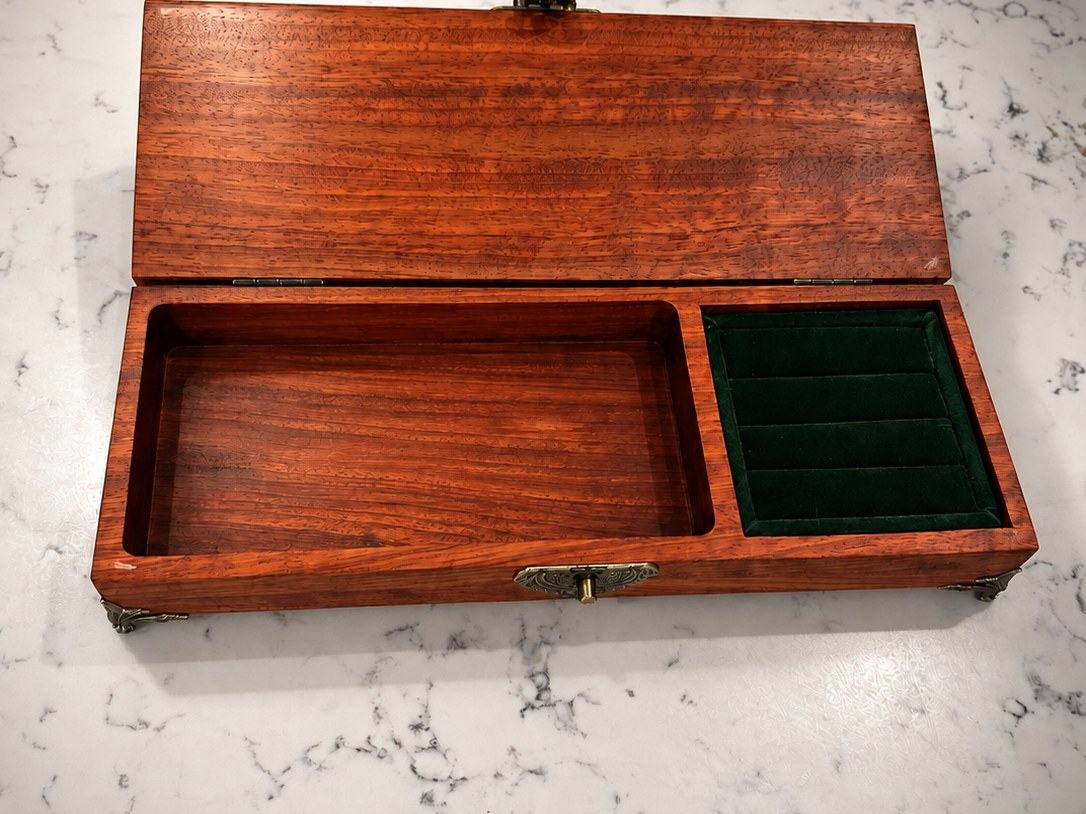
Padauk jewelry box
CNC machined from padauk, a dense hardwood that finishes to a deep red. Brass feet and a brass latch, with the ring section lined in velvet and the main compartment left as bare finished wood.
Walnut cigar box
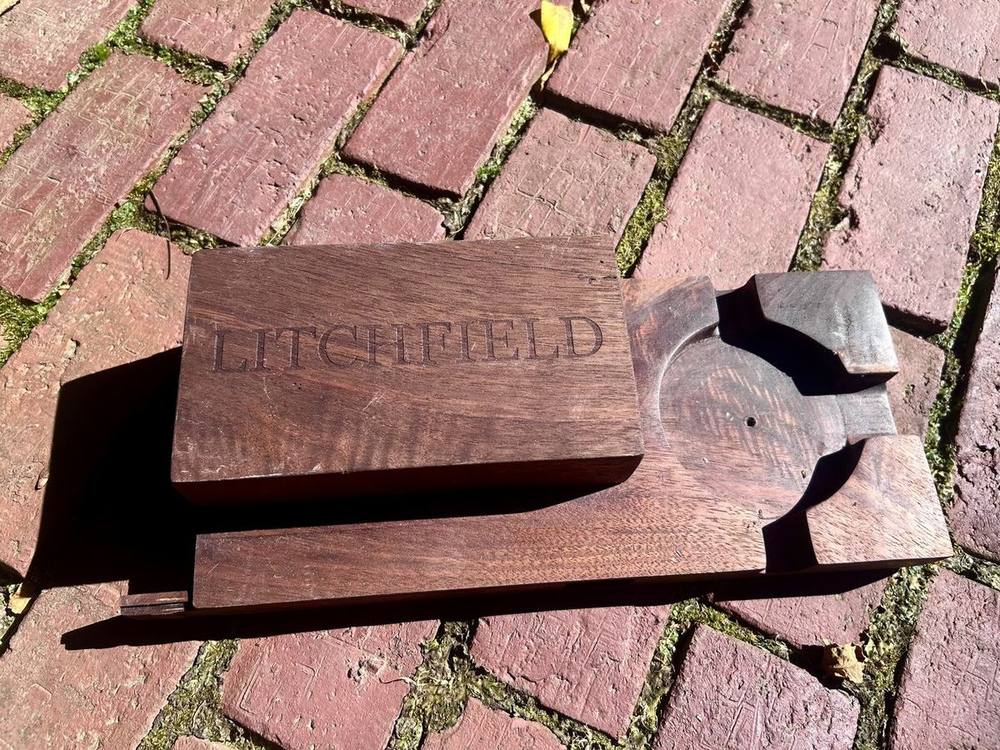
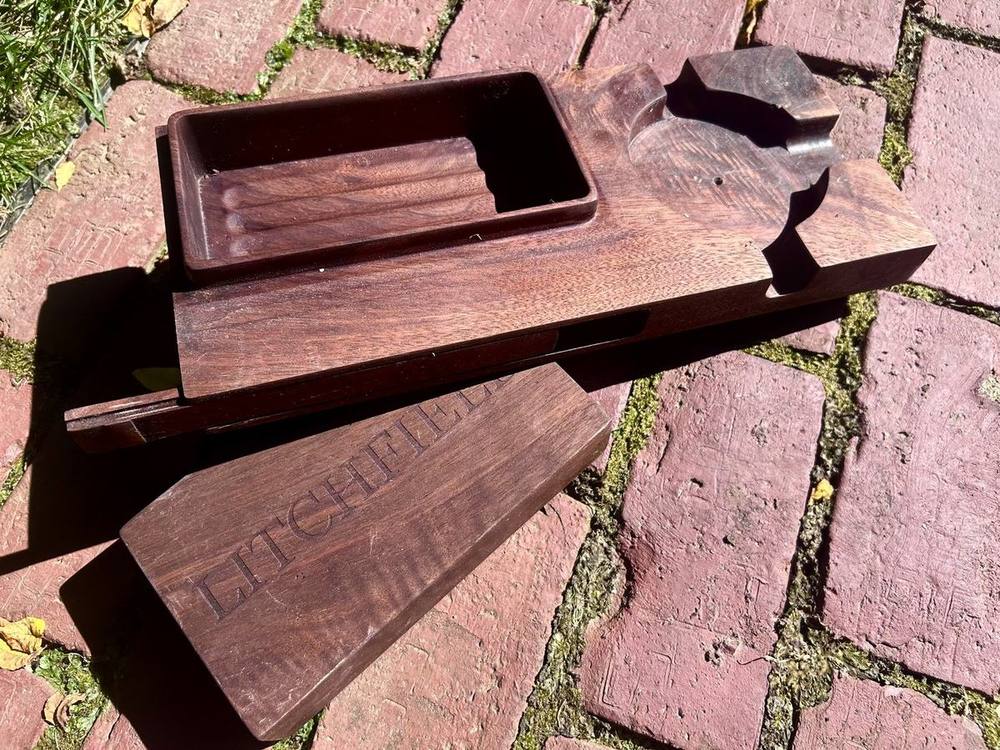
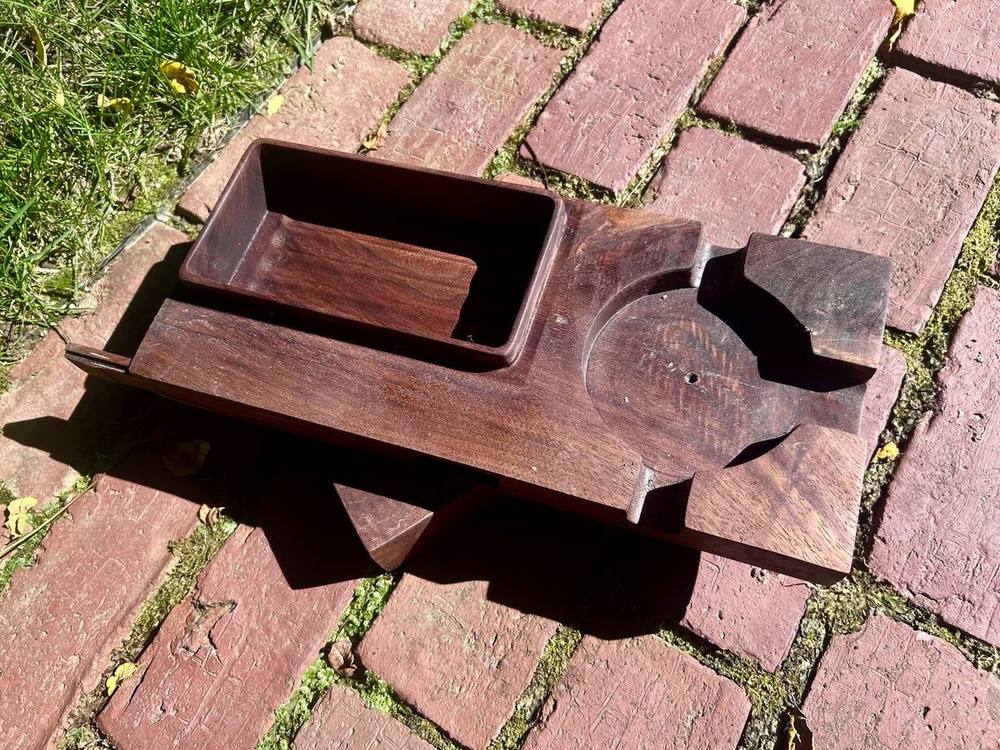
The most process-heavy thing here. It is machined from a single piece of walnut on a manual mill, cut to measurements taken off a CAD model I built first — pockets for the cigars, a recessed rest, and a sliding lid. The lid is laser engraved from a vector path I drew in Photoshop, and the inside is lined with leather to hold humidity and protect what is stored in it. First time doing leatherwork.