- Teardown
- →
- Diagnostics
- →
- Reverse Engineering
- →
- Machining
- →
- Installation
- Where
- Allentown, Pennsylvania
- Roles
- Designer, machinist, mechanic
- Output
- Test fixtures, custom parts, ~7 full engine rebuilds
- Constraint
- Irreplaceable hardware, no documentation
Old Machinery, Modern Methods
Restoration has an obvious problem: the parts ran out. Suppliers are gone, drawings were never kept or did not survive, and the tooling that made the originals was scrapped generations ago. The traditional answer is to hunt for a donor part and hope, or to hand-fit something close and accept it.
There is a better answer available now. A part that no longer exists can be measured off surviving hardware, modeled in CAD, prototyped in plastic to confirm fit, and cut on a CNC machine to a tolerance the original manufacturer would have struggled to hold. The same tools let you build diagnostics that were never possible when these engines were new — test fixtures purpose-made for one casting, to answer a question the shop could otherwise only guess at.
That is what I spent the summer doing: treating extinct parts as a design problem rather than a sourcing problem, and using modern manufacturing to make historic machinery repairable again.
Custom Vacuum Plates
An engine block can look perfect and still be cracked. Water jackets run inside the casting where you cannot see them, and a crack that only opens under pressure will pass every visual inspection and then destroy a rebuild that took weeks.
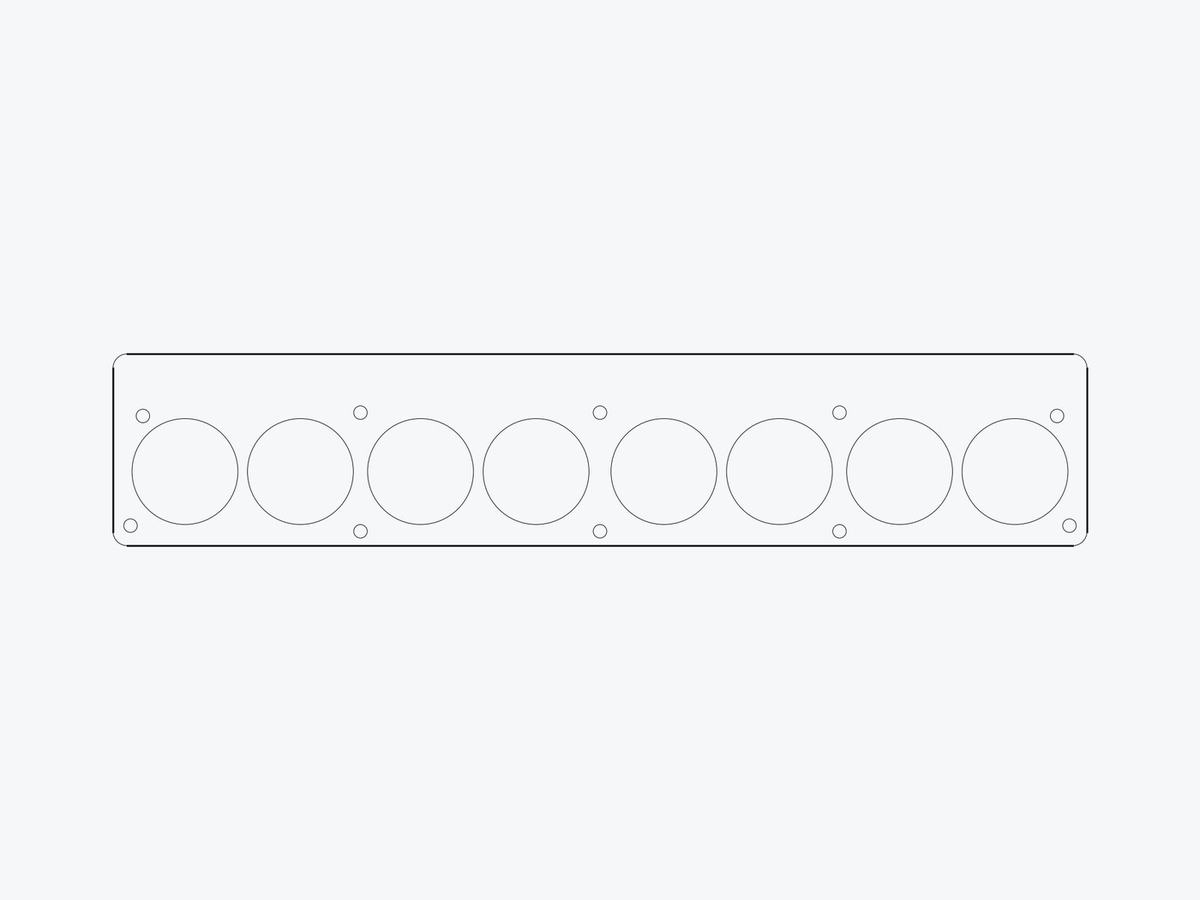
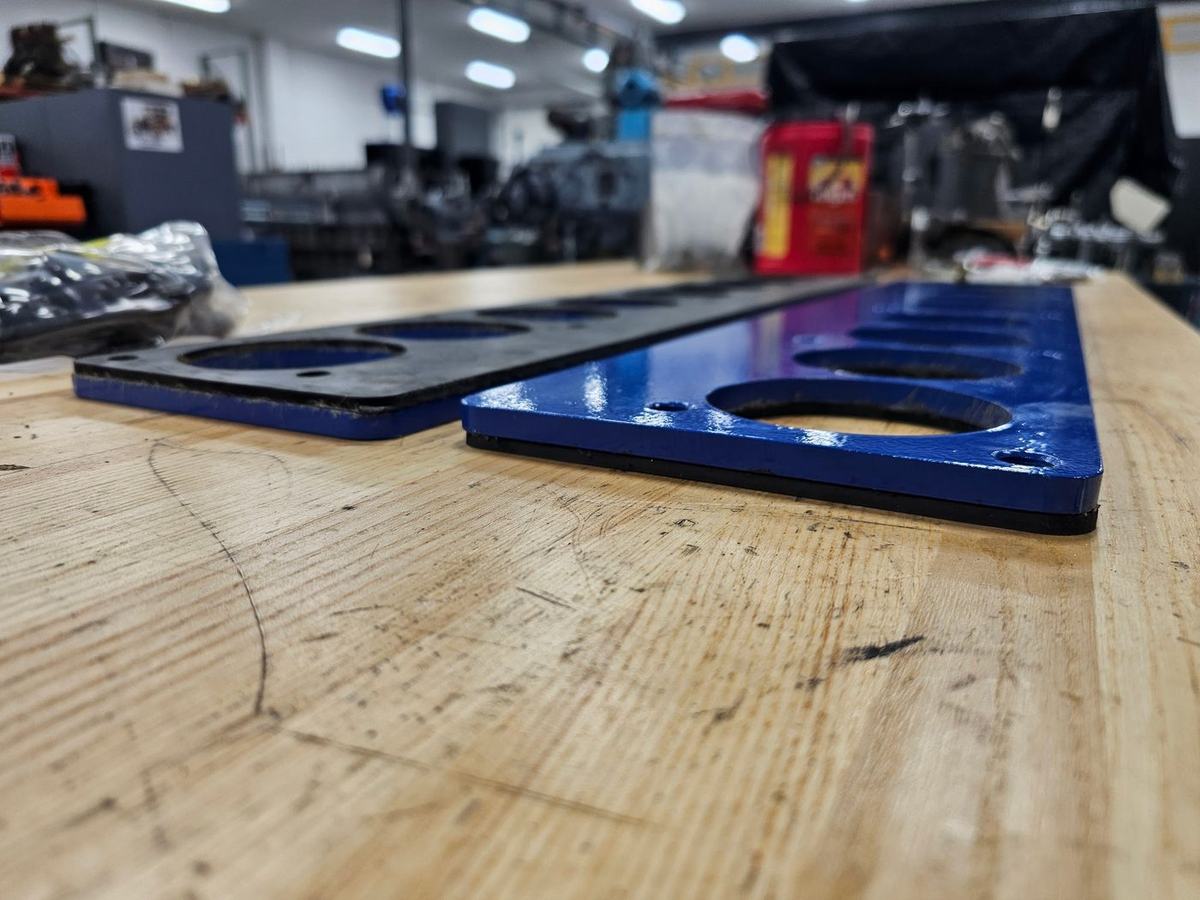
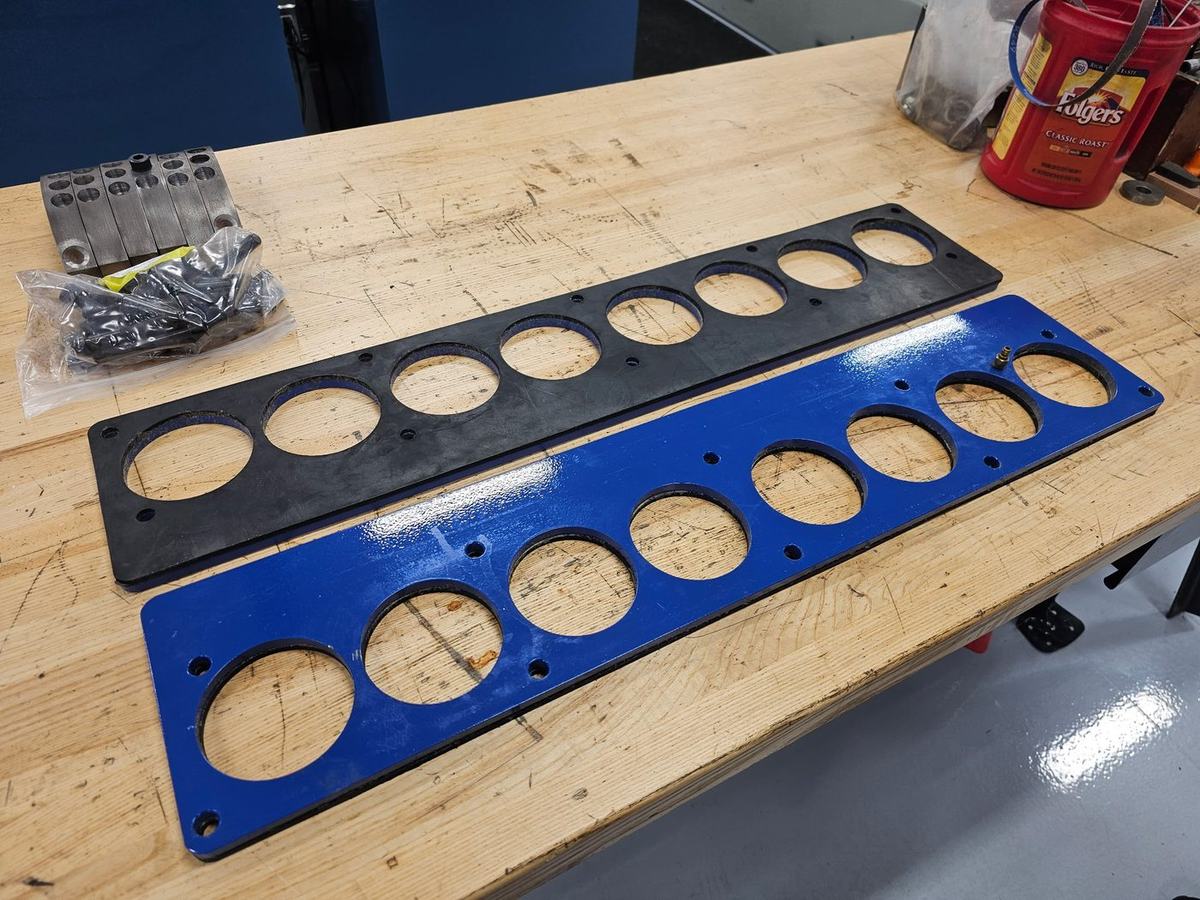
I designed and manufactured pressure test plates for straight-eight engine blocks — long steel plates that bolt down to the deck and seal across all eight bores at once, closing the water jacket so it can be pressurized and held. A pressure drop means a leak, including one far too fine to see. On engines this old and this rare, that test is the difference between finding a fault at the start of a rebuild and finding it at the end.
The design problem was that every block is different. Bore spacing, deck bolt patterns, and sealing faces vary by engine, so the plates had to be drawn from measurements taken off the actual casting rather than any published drawing. They also had to seal against deck surfaces that are decades old and rarely flat, which meant the plate itself needed enough section to stay flat under clamping load instead of bowing between bolts and opening a gap.
Precision Machining
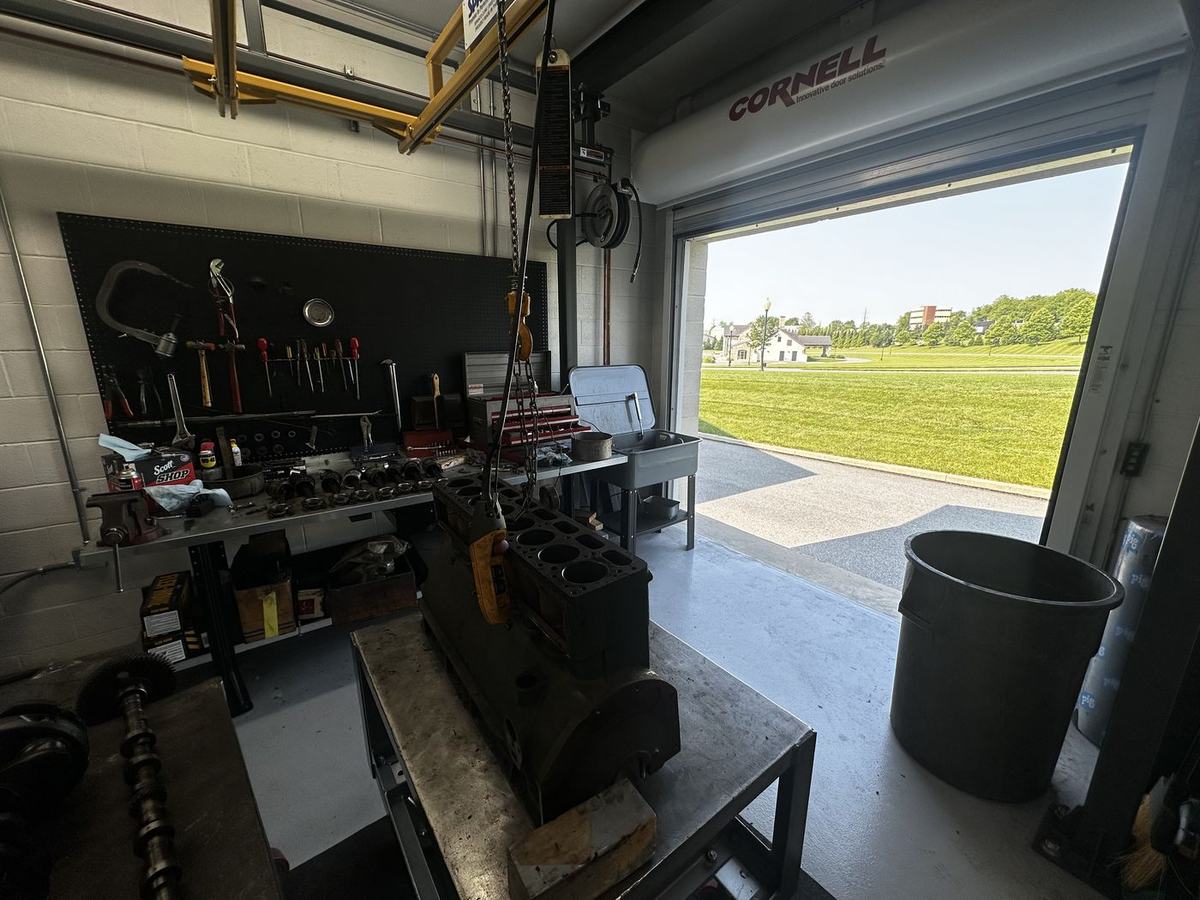
At Precision Motor Cars I worked as an apprentice machinist rebuilding historic engines end to end — blocks, cylinder heads, and crankshafts through teardown, machining to spec, and full reassembly. About seven complete rebuilds in eight weeks.
The work ran to original factory specifications where those existed. Where they did not, I reverse-engineered tolerances from the surviving hardware, measuring what was there and working backward to what the part was meant to be before decades of wear. That is a different discipline from machining to a print: you have to decide what the number should have been.
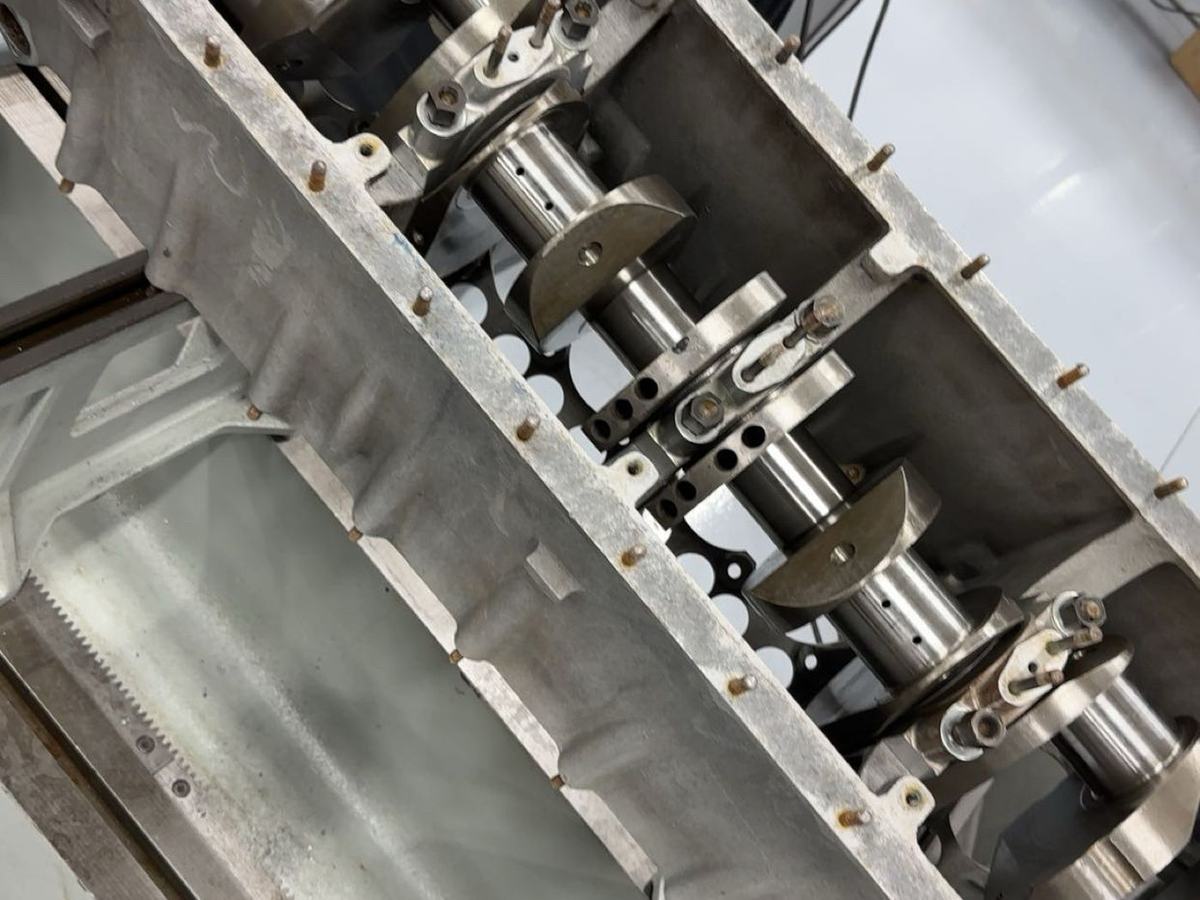
The hardest of them was an all-aluminum V16 with effectively no surviving documentation. It needed new main caps, and there was no specification to machine them to. So we measured the crankshaft's main journals against one another, worked out an average across the set, and cut the caps to that — deriving the number the factory would have used from the only evidence left, which was the engine itself.
The heads on that engine were cracked. They had to be plugged, stitch welded, and pressure tested before they could go back on. Every call on that build was a calculated estimate defended by measurement, because on an engine that rare there is nothing to check your work against.
I also designed and produced parts the restorations needed and nobody sells anymore, including CNC-machined carburetor spacers, with 3D-printed prototypes used to confirm fit before cutting metal.
The NB Center
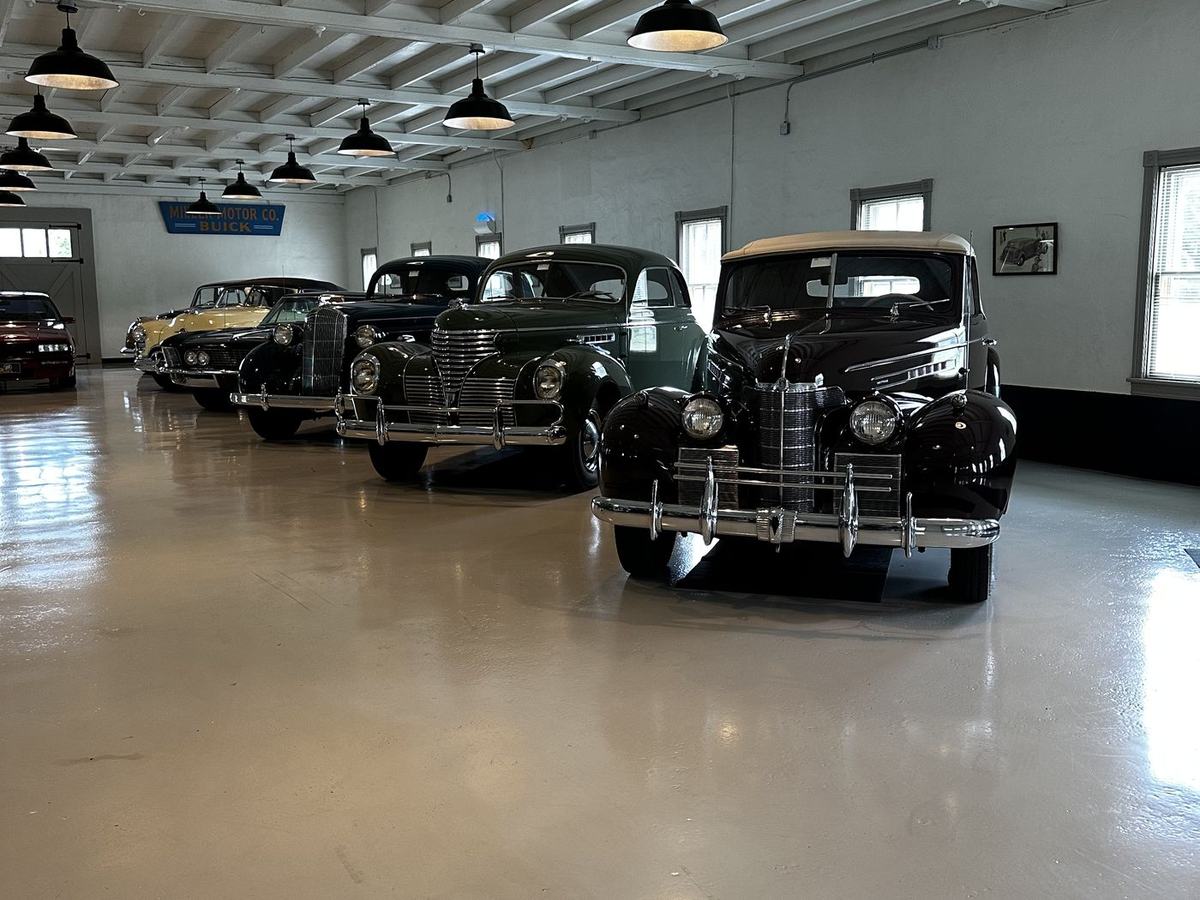
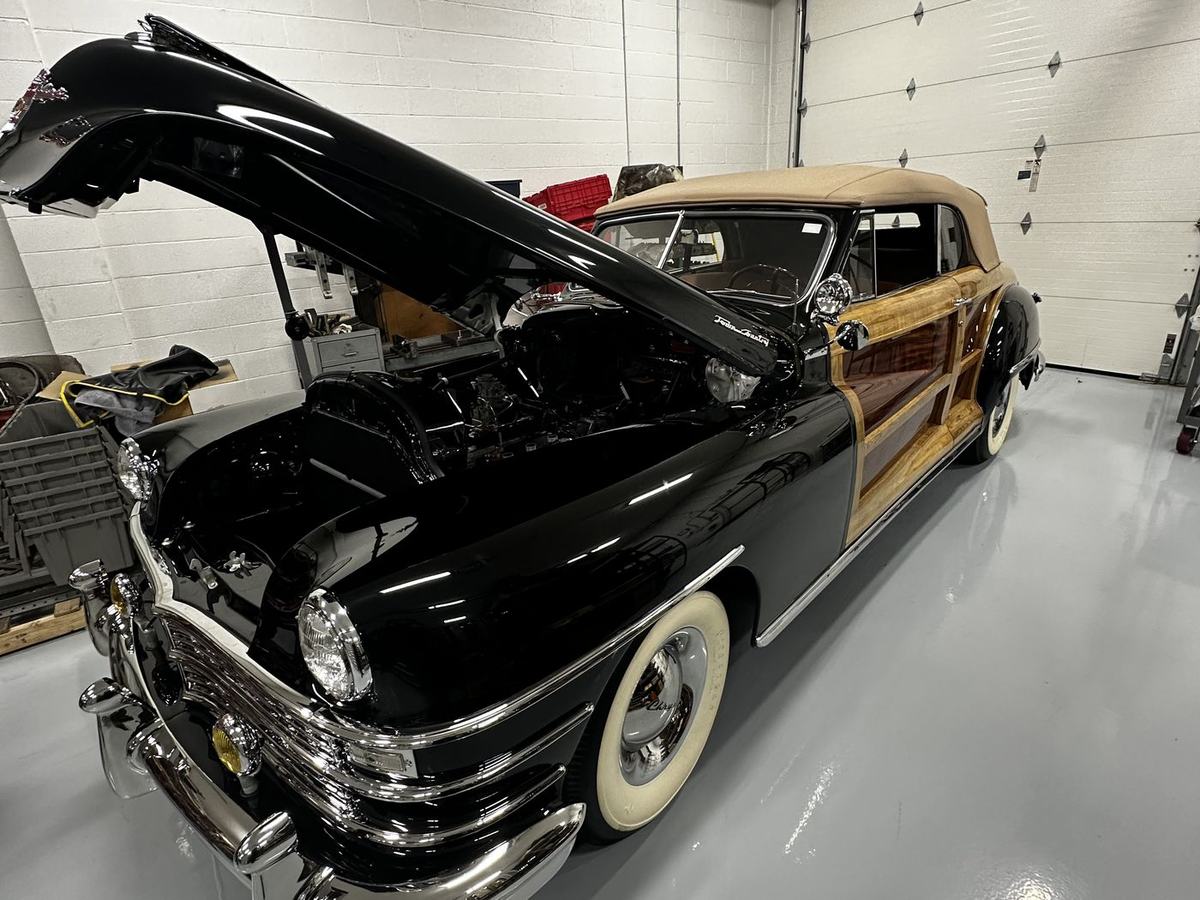
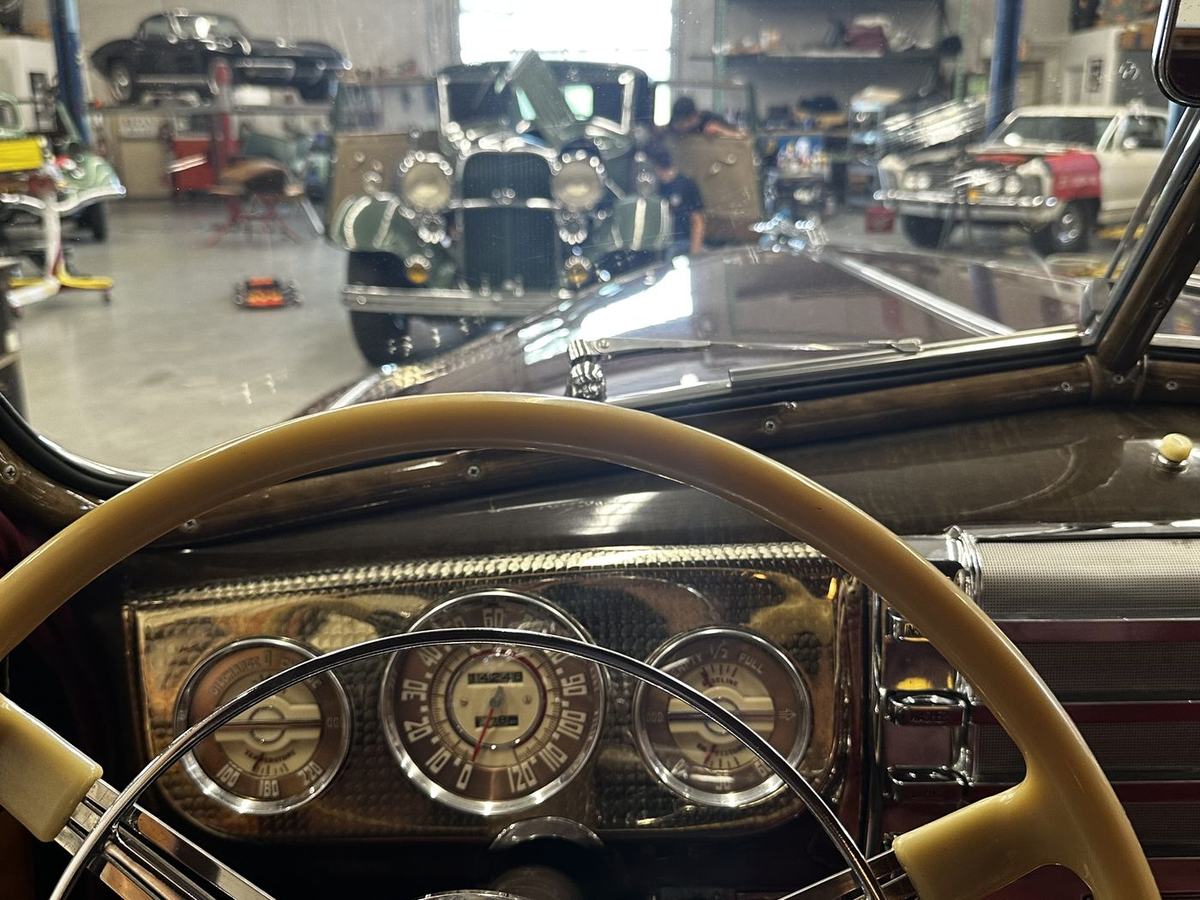
The NB Center for American Heritage keeps and restores a collection of significant American automobiles. Beyond the design and machining work, I worked as a general mechanic across the collection — engine removal and installation, teardown, and reassembly, carburetor tuning, and rewiring an original instrument panel — on cars that in some cases are among a handful left.
What that taught me is hard to get anywhere else. Modern manufacturing assumes replacement: if a part is wrong, order another. Here the assumption inverts. Every operation is planned around the fact that the material in front of you is the only material there is, so the sequence, the fixturing, and the inspection all get decided before anything is cut. It made me slower in the setup and considerably more careful about tolerances, and it is the reason I read a drawing now by asking what it costs the person who has to make the part.